


For vintage and antiques dealers, inventory is never simply a count of what’s on the shelf.
Every object is singular. It has its own source, condition, dimensions, purchase price, history, images, location, selling price, and story. A pair of chairs that looks nearly identical to another pair may have a different maker, provenance, restoration history, or purchase cost. Once those details become separated from the object, they can be difficult to reconstruct.
In the world of vintage and antiques, managing inventory means keeping an accurate record of each piece from the moment it enters the business until the moment it leaves.
So, how should vintage and antiques dealers manage inventory?
The most effective system captures each item at acquisition, gives it a unique SKU or inventory number, keeps its images and details together and ready to share, tracks its physical and selling locations, records costs and pricing, and preserves its history after the sale. At any point, a dealer should be able to find a piece and answer the questions a buyer is likely to ask.

Capture Information at the Point of Acquisition
Good inventory records begin earlier than many dealers think. At an auction, estate sale, fair, or buying trip, details are still fresh: where the piece came from, what was paid, what the seller said about it, any condition issues, and why it caught the dealer’s eye. Waiting until the stock reaches the shop or warehouse creates a gap between discovery and documentation.
Katie Etter of Wilde Aesthetics Gallery uses the Ronati Mobile App to do exactly that:
“The app allows me to snap photos and add details on the go, whether I’m at an auction or estate sale.”
The first record can be rough. Its job is to preserve what could otherwise be lost. A working title, photographs, source, purchase date and cost, dimensions, condition notes, and known provenance create a reliable starting point.
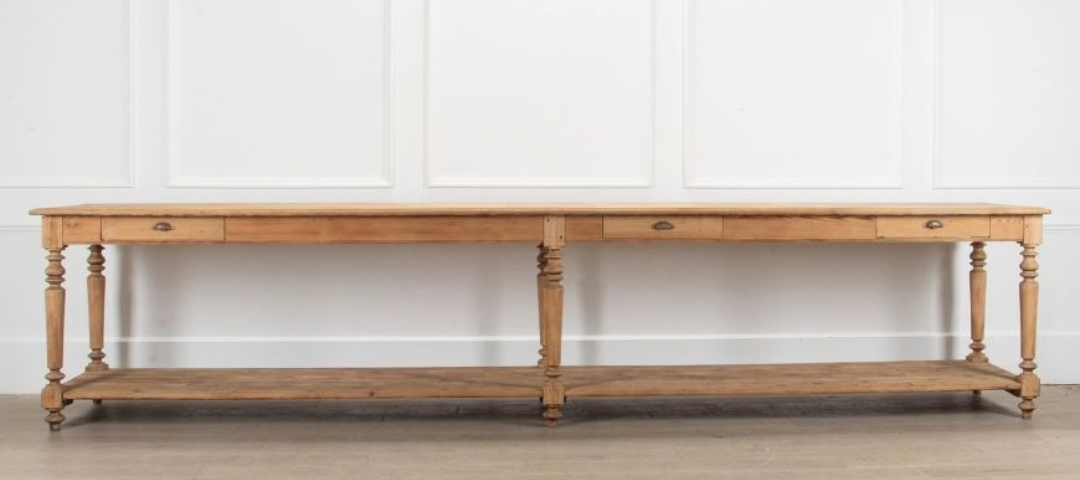
Image courtesy of Lorfords
Give Every Piece Its Own Record
Once acquired, every object should have a unique inventory record and SKU.
A conventional retail system may assume that ten identical objects can share a single SKU, but this doesn’t work for dealers who sell unique items. A vintage or antiques dealer might have ten mid-century side tables, but no two are alike.
Each record builds on those first notes, adding category, period or date, maker or attribution when known, asking price, and supporting documents. The record becomes the object’s business history. Keeping that information together reduces dependence on memory, camera rolls, paper files, email threads, or information only one person happens to know.

Know Where the Object Is
A piece may be at a warehouse, in a showroom, with a restorer, in transit to a fair, out on approval with a designer, or packed for delivery. At the same time, it might also appear on a dealer’s website, social media accounts, and several online marketplaces.
An inventory record should answer two separate questions: where is the object physically, and where is it being offered for sale? For one-of-a-kind stock, an outdated status is more than an inconvenience. If a piece sells privately but remains available elsewhere, another buyer may attempt to purchase something that has already sold, leaving the dealer to issue a refund and an apology.

Track the Numbers Behind the Object
Purchase price alone does not tell a dealer what a piece has cost the business. Restoration, framing, upholstery, transport, storage, photography, commissions, and other expenses can affect the economics of a sale. A useful inventory system keeps those costs connected to the item rather than scattered across receipts and separate spreadsheets.
Dealers should also be able to distinguish cost from asking price and eventual sale price. Over time, those three numbers offer a clearer view of margins, time to sale, categories that perform well, and how much money is tied up in pieces that have sat too long.

Make the Record Easy to Share
Much of an inventory record’s value comes from what it lets a dealer share. A designer’s request for dimensions should not require a trip to the warehouse. A collector’s question about provenance should not mean searching three folders. Preparing a marketplace listing should not mean rebuilding an object’s description from scratch.
When photographs and details are organized around a single record, the same information can support a website listing, marketplace post, client email, tear sheet, catalog, or fair follow-up.
Andreas Aponte of Crazing About Patina describes Ronati Studio as “a hub for all the necessary info for posting an item to online marketplaces or for quickly pulling information during live sales,” calling it a “MAJOR upgrade from a regular spreadsheet.”
The spreadsheet comparison is telling. Inventory is organized when the right information can be found and used the moment a sales opportunity arises.
Choose a System That Fits the Trade
Dealers have long kept inventory records in notebooks, spreadsheets, marketplace dashboards, and general business software, often combining several at once. That can work for a time … until stock grows and more people need access to information, or objects begin moving between warehouses, fairs, showrooms, websites, and marketplaces.
A notebook can hold invaluable detail but is difficult to search or share. A spreadsheet can offer a clear overview, yet images, supporting documents, changing locations, and sales activity quickly push it beyond what rows and columns do best. Marketplace dashboards provide visibility into what is listed there, but rarely into the business as a whole. General business software can handle orders and accounting, but is usually built around identical, repeatable stock.
The better test is whether a system reflects the way one-of-a-kind stock actually moves through a vintage and antiques business. For most dealers, that means keeping object-specific records, photographs, costs, locations, sales information, and presentation materials connected rather than spread across separate tools.
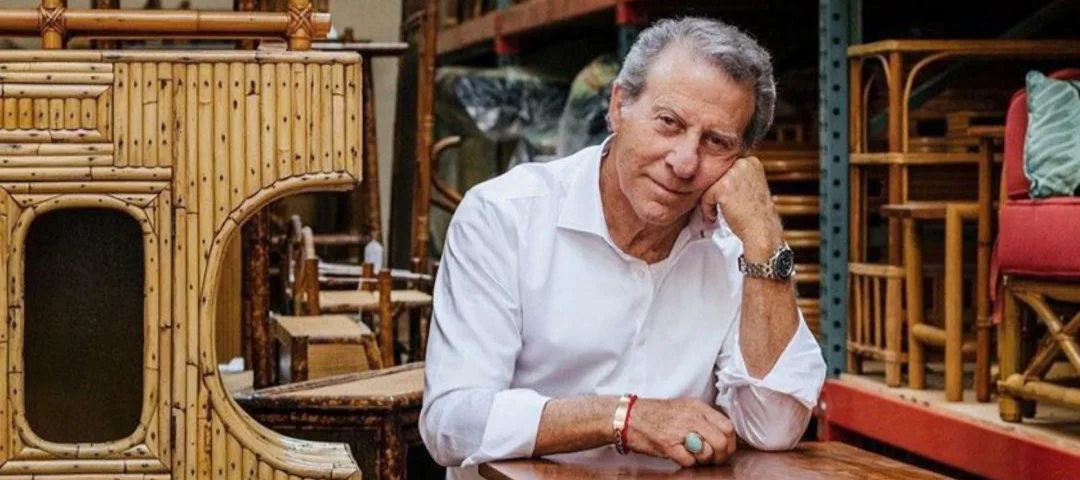
Image courtesy of Harvey’s on Beverly
Keep the Record After the Sale
A sold object should leave active inventory, but its record should never disappear. Sales history preserves the final sale price, the buyer, the dates the piece was acquired and sold, its costs, and the object’s documentation. Those records support accounting, client service, and future sourcing decisions.
They also build the business’s memory. Years later, a dealer might need to recall when a piece was sold, what was known about it, or whether something similar had passed through the business before.
Preserving the Thread
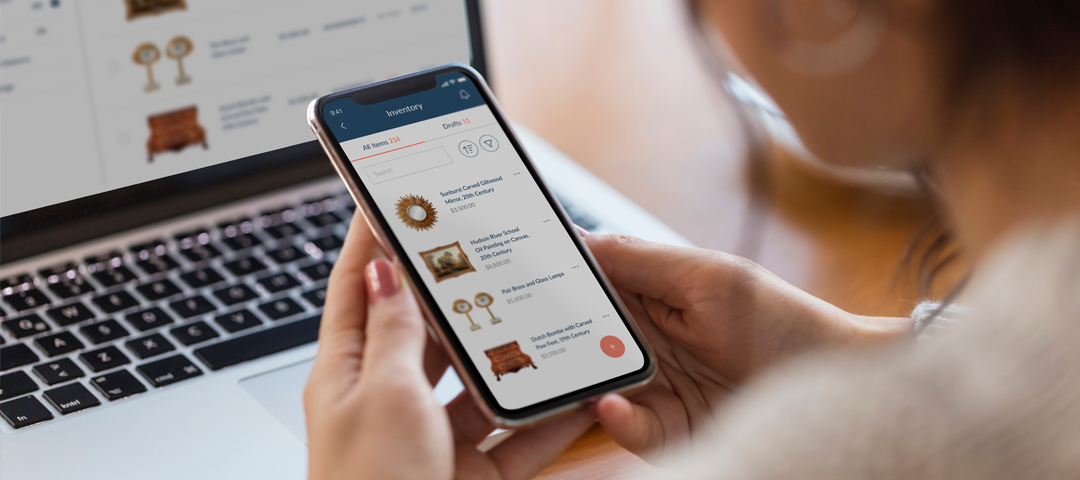
Ronati Studio was created to follow your unique item through its entire life in your business. Dealers can photograph and document pieces through the Ronati Mobile App, then organize and search inventory, track costs and storage locations, and, with Studio Pro, prepare online listings using Prepare for Listing, and create tear sheets and catalogs using the PDF Creator on their computer.
The advantage is continuity: the information around each object stays connected and usable as that piece moves through the business.
A dealer’s stock is constantly in motion. A single piece might be sourced today, photographed tomorrow, sent to a restorer next week, shown to a designer the week after, and sold months later through an entirely different channel. A strong inventory system preserves the thread through all of it. When the information is current, complete, and easy to retrieve, a dealer can answer a buyer’s question the moment it is asked.
If your records currently live across notebooks, spreadsheets, and camera rolls, Ronati Studio brings them together. Every account includes a complimentary inventory import, so your existing stock comes with you.
Lead image courtesy of Lorfords.