


Updated for 2026
If the American fair landscape is defined by range, the UK and EU market is defined by standards.
Across Britain and continental Europe, fairs unfold within a longer lineage — one shaped by dealer families, institutional scholarship, and a collecting culture that predates the modern trade calendar itself. Stands frequently represent decades of accumulated expertise. Vetting is formal, structured, and visible. Reputation is built gradually and guarded carefully, reinforcing a market in which credibility is neither assumed nor easily granted.
Within that framework, the calendar does not resolve into a single model. Museum-caliber benchmarks sit alongside design-led platforms and large-scale trade fairs where inventory moves at pace. Some events establish intellectual reference points for the trade. Others sustain its circulation. Together, they form a layered system — one that balances presentation with acquisition, scholarship with commerce, continuity with adaptation.
Viewed in its entirety, the UK and EU fair circuit operates less as a sequence of dates than as an enduring structure. It is where pieces are assessed, repositioned, and returned to the market each season — reinforcing long-held standards while responding to shifting expectations.
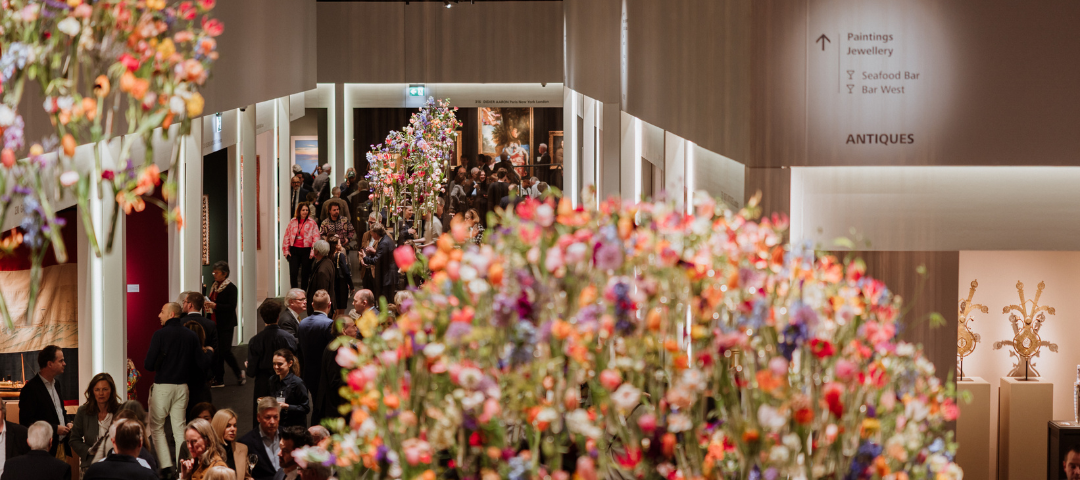
Image courtesy of TEFAF
The Standard-Setting Fairs
These fairs set expectations. Their influence extends beyond transactions, reinforcing standards of attribution, provenance, and presentation across the broader market.
TEFAF Maastricht — The Netherlands
When: Winter | Location: Maastricht, The Netherlands
TEFAF Maastricht is the benchmark — the fair against which others are measured. Its influence stems not only from the quality of material presented, but from the rigor of its vetting process, which continues to shape expectations around scholarship, attribution, and transparency across the global fair circuit.
What distinguishes TEFAF is its ability to bring together museums, institutions, private collectors, and top-tier dealers within a single, carefully structured environment. Fine art, antiques, antiquities, and design are presented with equal seriousness, reinforcing the fair’s role as both a marketplace and an intellectual reference point for the trade.
Why it matters: global influence, institutional authority, and rigorous standards
Best for: dealers, collectors, and institutions operating at the highest level
BADA Fair — London
When: Winter | Location: London, England
Organized by the British Antique Dealers’ Association, the BADA Fair reflects the organization’s longstanding commitment to vetting, scholarship, and professional integrity. Participation is limited to members, and every object exhibited is subject to a rigorous review process — reinforcing the fair’s reputation for accountability and expertise.
Held in an intimate setting, BADA prioritizes connoisseurship over spectacle. The scale encourages sustained dialogue between dealers and buyers, with strength in fine art, furniture, silver, sculpture, and decorative arts spanning multiple centuries. For collectors and trade professionals alike, the fair offers clarity and confidence — a setting where attribution, condition, and provenance are treated as foundational rather than promotional.
Why it matters: association-backed vetting and long-established trade credibility
Best for: collectors and professionals prioritizing scholarship, transparency, and trusted expertise
LAPADA Berkeley Square Fair — London
When: Fall | Location: London, England
The LAPADA Berkeley Square Fair occupies a distinct and trusted position within the London antiques calendar. Long associated with rigorous vetting and professional standards, the fair has become a touchstone for serious collectors, designers, and trade buyers who prioritize provenance, scholarship, and transparency.
Held in the intimate setting of Berkeley Square, LAPADA favors depth over spectacle. The fair’s structure encourages extended conversations with dealers, careful comparison across disciplines, and a level of access that rewards experience rather than speed. For many in the trade, LAPADA functions less as a marketplace of volume and more as a place to reaffirm standards — where expertise is visible, shared, and expected.
Why it matters: credibility, vetting, and institutional trust
Best for: collectors, designers, and trade buyers prioritizing provenance and expertise
BRAFA — Brussels
When: Winter | Location: Brussels, Belgium
BRAFA occupies a distinctive position within the European fair landscape, balancing breadth with approachability. Its exhibitors span a wide range of categories — from antiquities and tribal art to modern painting and contemporary design — yet the fair maintains a cohesive, navigable rhythm that rewards time and comparison.
Less formal than some of its counterparts, BRAFA has earned a loyal following among collectors and trade buyers who value variety without sacrificing quality. Its international audience and consistent dealer base make it a reliable mid-winter destination, particularly for those sourcing across multiple categories.
Why it matters: cross-category range within a cohesive framework
Best for: collectors and trade buyers seeking variety and international perspective
FAB Paris — France
When: Fall | Location: Paris, France
Formerly the Biennale des Antiquaires, FAB Paris represents a considered evolution rather than a rebrand. By bringing together fine art, antiques, and decorative arts under one umbrella, the fair illustrates how collecting has shifted — away from rigid categories and toward dialogue between periods, disciplines, and cultural contexts.
Held at the Grand Palais, FAB Paris combines museum-level presentation with a distinctly Parisian sensibility. Historic furniture, objets d’art, and antiquities are shown alongside painting, sculpture, and modern works, allowing visitors to see how items from different eras converse rather than compete.
For the trade, FAB Paris functions as both a marketplace and a barometer. It attracts an audience attuned to quality, provenance, and design relevance, making it a meaningful setting for dealers and designers working at the intersection of antiques, fine art, and contemporary interiors.
Why it matters: cultural authority, cross-category dialogue, and institutional-level presentation
Best for: collectors, designers, and dealers sourcing statement pieces with historical and artistic depth
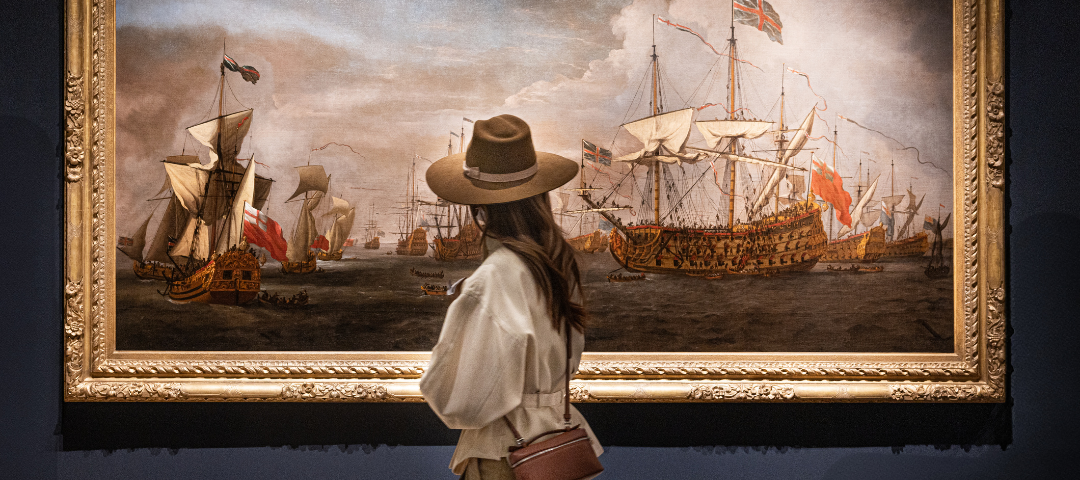
Image courtesy of TEFAF
Design-Led Antiques Fairs
These fairs reflect how designers and collectors now move fluidly between periods and disciplines.
PAD Paris — France
When: Spring and Fall | Location: Paris, France
PAD Paris sits at the intersection of historic material, twentieth-century design, and contemporary decorative arts. While not an antiques fair in the traditional sense, it is a place where objects are actively bought, sold, and collected — often by the same designers and collectors who move fluidly between eras.
The fair’s strength lies in its clarity of point of view. Pieces are presented with intention, scale, and context, offering insight into how modern and historic works coexist in contemporary interiors. For antiques professionals, PAD functions as both a sourcing opportunity and a calibration tool: a way to see how form, material, and provenance are being interpreted by today’s design-driven market.
Why it matters: design context, cross-period collecting, and market alignment
Best for: designers and dealers working across modern, vintage, and antiques-adjacent material
Treasure House Fair — London
When: Summer | Location: London, England
Launched as a successor to Masterpiece London, the Treasure House Fair has quickly positioned itself as a serious new fixture on the UK calendar. Held at the Royal Hospital Chelsea, the fair brings together art, antiques, jewelry, and design under a tightly curated framework that emphasizes quality, scholarship, and presentation.
Though still establishing its long-term legacy, Treasure House has attracted respected international dealers and a collector audience accustomed to museum-level standards. Its cross-category approach mirrors a market in which collectors and designers think in terms of composition, not categories — combining fine art, antiques, and twentieth-century design as part of a single vision.
Why it matters: international ambition, cross-category presentation, and strong vetting
Best for: collectors, designers, and dealers seeking high-quality material across categories
Mercanteinfiera — Italy
When: Spring and Fall | Location: Parma, Italy
Over the past decade, Mercanteinfiera has evolved into one of Europe’s most active cross-period sourcing environments. Known for its scale and openness to mixing eras, styles, and price points, the fair attracts dealers and designers who prioritize discovery over strict categorization.
Here, nineteenth-century furniture sits alongside mid-century lighting and contemporary decorative objects — a reflection of how interiors are assembled in practice rather than by taxonomy. That breadth, combined with steady turnover, has made Mercanteinfiera especially relevant to professionals sourcing adaptable inventory for layered interiors.
Why it matters: cross-period sourcing and steady trade movement
Best for: designers and dealers seeking eclectic inventory across periods
The Decorative Antiques & Textiles Fair — London
When: Winter, Spring, and Fall | Location: London, England
Long favored by the design community, The Decorative Antiques & Textiles Fair places decoration at the center of the conversation. Textiles, lighting, furniture, and objects with presence take precedence over rigid categories, reflecting how designers actually source and work across periods.
Its enduring appeal lies in its consistency and relevance. With a dependable roster of dealers and a format that encourages return visits, the fair has become a reliable barometer for what is resonating in interiors — from patinated surfaces and sculptural forms to materials that layer easily into contemporary spaces.
Why it matters: sustained relevance to interior design and decorative sourcing
Best for: designers, stylists, and decorative specialists
Bath Decorative Antiques Fair — Bath
When: Spring and Fall | Location: Bath, England
Long established and consistently respected, the Bath Decorative Antiques Fair occupies a distinct place within the UK trade. With a focus on decorative antiques, furniture, lighting, and objects with strong visual presence, it has become a dependable destination for designers and dealers sourcing pieces meant to live comfortably in contemporary interiors.
More intimate than London’s major fairs, Bath rewards unhurried evaluation and repeat attendance. Its longevity and steady dealer base have earned it trust — not through spectacle, but through continuity and material that performs well beyond the fair itself.
Why it matters: decorative strength and long-standing trade credibility
Best for: designers and dealers sourcing character-driven decorative antiques
Primary Sourcing Fairs
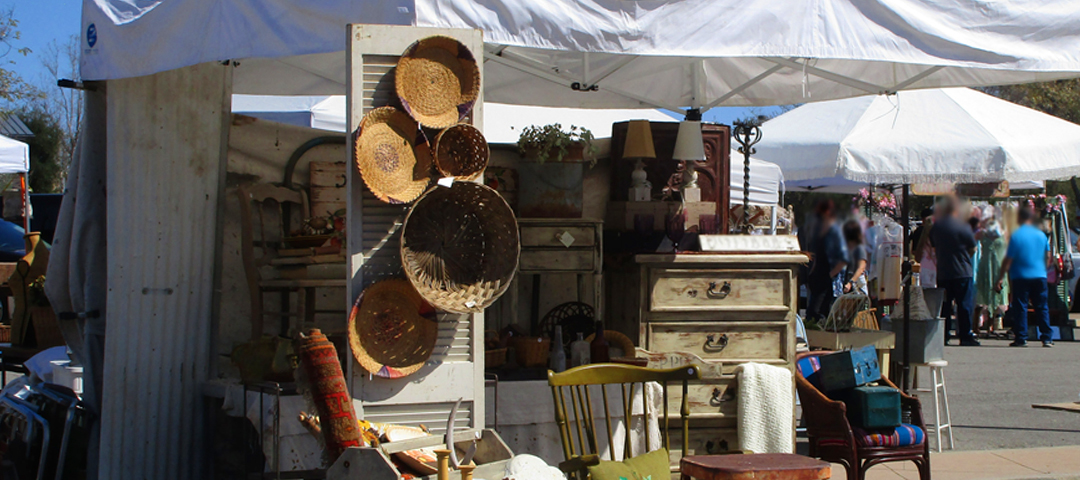
Not all influential European fairs unfold under museum lighting. Across the UK and EU, a network of large-scale sourcing fairs sustains the trade ecosystem. These fairs prioritize volume, turnover, and disciplined sourcing over spectacle. For many dealers and decorators, they are less about presentation and more about acquisition — the places where inventory enters the pipeline before reappearing in showrooms, galleries, and larger international fairs.
Ardingly International Antiques & Collectors Fair — West Sussex
When: Multiple times per year | Location: West Sussex, England
Ardingly blends open-air discovery with serious trade participation. Garden antiques, English furniture, and decorative items circulate through a loyal buyer base that includes both professionals and private collectors.
Why it matters: traditional English inventory with active trade participation
Best for: designers sourcing garden and decorative antiques
Newark International Antiques & Collectors Fair — Nottinghamshire
When: Bi-monthly | Location: Newark-on-Trent, England
Often described as Europe’s largest antiques fair, Newark operates less as a showcase and more as a working marketplace. Hundreds of dealers spread across indoor halls and expansive outdoor fields, creating a buying ground that supplies UK shops, decorators, and export markets alike.
Stock turns quickly, and pricing reflects trade realities. For many dealers, it is less about browsing and more about acquisition — a place where volume, pace, and trained instinct matter as much as taste.
Why it matters: scale, volume, and concentrated trade activity
Best for: dealers refreshing inventory across categories
Foire de Chatou — France
When: Spring and Fall | Location: Chatou, France
Set along the Seine, Chatou brings together a concentrated group of established dealers within a clearly defined, time-bound format. The atmosphere is measured and professional, with strength in regional furniture, nineteenth-century decorative arts, garden elements, and small-scale objects that reward careful evaluation.
Unlike larger metropolitan fairs, Chatou maintains a distinctly French sensibility — disciplined rather than theatrical, grounded in connoisseurship rather than spectacle. Its consistency and focused dealer base have made it a reliable destination for buyers seeking material with decorative depth and regional character.
Why it matters: decorative depth within a professional framework
Best for: buyers seeking French decorative arts
Mercatino Antiquario Arezzo — Italy
When: Monthly | Location: Arezzo, Italy
Arezzo draws dealers and designers sourcing Italian furniture, lighting, architectural fragments, and mid-century material. The tone is practical rather than polished, with strength in pieces that carry strong regional character. Much of what is acquired here later appears in export showrooms or resurfaces at larger European fairs — often cleaned, restored, and recontextualized.
Why it matters: foundational sourcing ground for Italian decorative material
Best for: decorators and dealers specializing in layered interiors

Understanding the UK + EU Fair Landscape
Across the UK and EU, fairs operate within a longer lineage of scholarship and trade continuity. Dealer families return to the same venues across decades. Buyers cultivate relationships that extend beyond individual seasons, reinforcing a culture in which trust accumulates over time.
Within that continuity, the fair calendar remains dynamic. Institutional benchmarks, design-led platforms, and trade-focused buying fairs each play a distinct role in how inventory circulates through the market. Some establish standards, while others sustain inventory flow. Together, they form an interconnected structure that shapes both perception and supply.
Approached strategically, fair season in the UK and EU remains one of the most direct ways to understand not only what is selling, but why — and how standards are reinforced across generations of dealers and collectors.
The calendar itself shifts with regional rhythms and professional priorities. For those planning the year with intention, our Guide to Trade Fairs + Shows, created in partnership with Antiques News & Fairs x The House Directory, provides a consolidated view of major events across the UK, Europe, and beyond — a reference designed to support informed sourcing rather than assumption.
From city to countryside, from palace to purpose-built hall, the settings may differ, but the principle holds: objects are best understood in person, in context, and in conversation.