

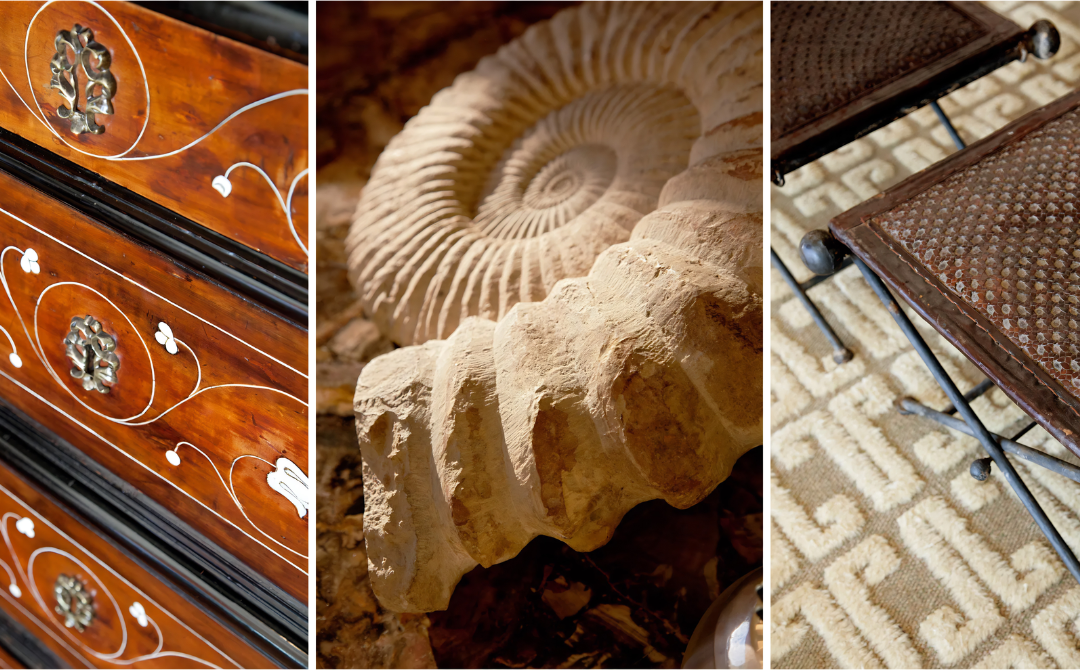
There is a moment every designer knows well.
An object appears, perhaps in a dealer’s latest arrivals, at a fair, or in an email from a trusted source, and it immediately feels right. Its proportions are balanced. Its craftsmanship is unmistakable. It has a presence that cannot be replicated.
This discovery is the beginning of a longer journey. Before an antique becomes part of a client’s home, it moves from inspiration to recommendation, from recommendation to presentation, and finally to specification. Along the way, every remarkable object is accompanied by a quieter story that determines whether it moves forward or remains an admired possibility.
The object inspires the designer. The information gives them the confidence to specify it.
That distinction has never mattered more.

Specification Is a Commitment
Specifying an antique carries a measure of responsibility. Every object is singular, and it cannot be reordered tomorrow. Each recommendation a designer makes becomes part of a broader conversation between the designer and their client, in which aesthetics must be supported by confidence.
Questions naturally follow. Will it fit the space? Has it been restored? What condition is it in? How will it arrive? Is it still available? Those questions are part of the creative process.
The most respected dealers understand this instinctively. They know that presenting inventory means giving designers everything they need to stand behind a recommendation with certainty.
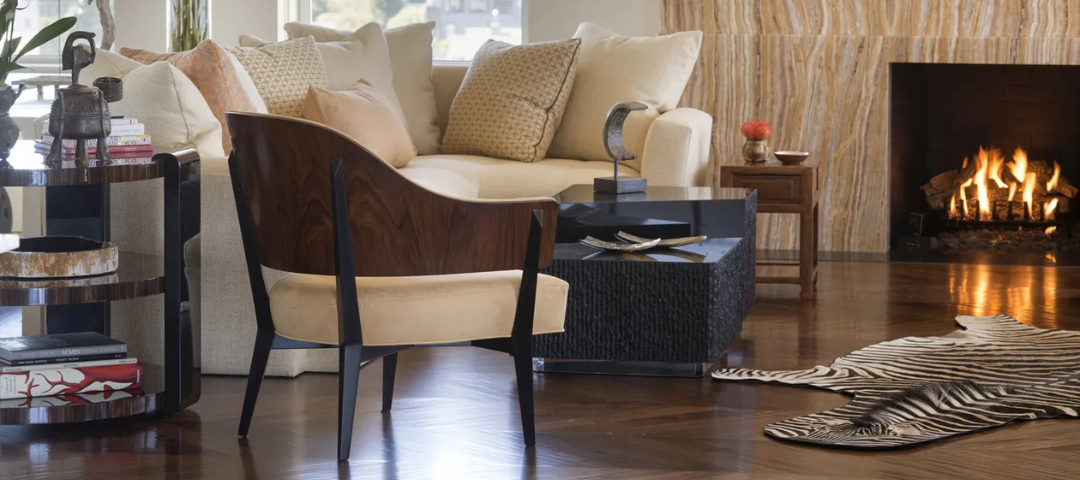
Interior Design by Suzanne Tucker/Tucker & Marks. Photo by Edward Addeo.
Trust Is Built Long Before the Purchase
Interior designers describe their favorite dealers in terms of relationships, expertise, and trust. In a recent conversation with Business of Home, Suzanne Tucker described the importance of cultivating long-standing relationships with knowledgeable dealers, encouraging designers to remain endlessly curious, and to keep asking questions throughout the sourcing process.
Great dealers, she suggests, become trusted partners in the creative process.
That explains why some dealers become indispensable over the course of a career.
Designers remember the people who consistently provide thoughtful answers, communicate clearly, and anticipate the information a project requires before it is requested. Confidence accumulates gradually, one carefully presented object at a time.
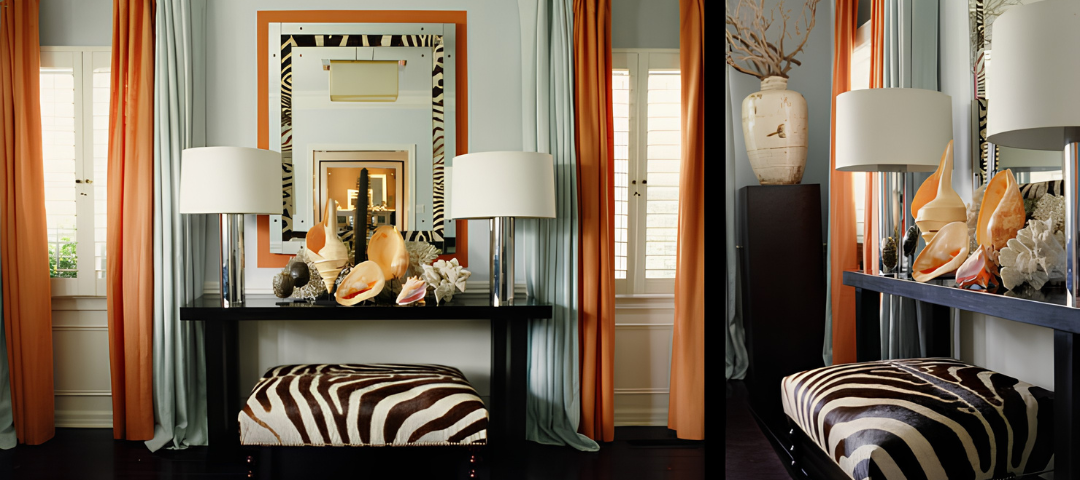
Interior Design by Mary McDonald. Photo by Grey Crawford.
Every Piece Carries Two Stories
The first story captures a designer’s imagination. It lives in the softened patina of bronze, the subtle irregularities of hand-planed timber, the elegance of a Georgian silhouette, and the evidence of generations of careful use.
The second story unfolds more subtly. It explains the object’s dimensions without ambiguity. It documents condition honestly. It traces provenance where possible. It reveals construction details through considered photography, and it answers practical questions before they interrupt the creative process.
Neither story is complete without the other.
Speaking with Sheridan Road magazine, Mary McDonald reflected on today’s renewed appreciation for layered interiors, describing a return to “pattern on pattern, layer on layer, and oddly collected curiosities” and displays with an almost museum-like quality. Her observations speak to something designers have always understood: the most memorable rooms are built through objects that carry history, personality, and a sense of discovery.
For dealers, that presents an opportunity. When an antique is accompanied by thoughtful photography, clear dimensions, honest condition reporting, and meaningful context, designers spend less time gathering information and more time imagining how that object contributes to the larger story they are creating.
That connection between craftsmanship and presentation is echoed by Rafael Kalichstein and Joshua Rose of Citizen Artist. In an interview with Design Courier, they describe their studio’s philosophy as one rooted in “consciousness, curiosity, and integrity,” adding that they strive to “slow down, honour craftsmanship, and celebrate the collective effort behind every piece of design.” Rather than viewing objects as isolated commodities, they see them as the result of many hands, many decisions, and many years of accumulated knowledge.
Every one-of-a-kind object already carries the legacy of its maker and the passage of time. The way it is documented and presented should reflect that same respect. Thoughtful presentation honors the craftsmanship that makes an object worth discovering in the first place.
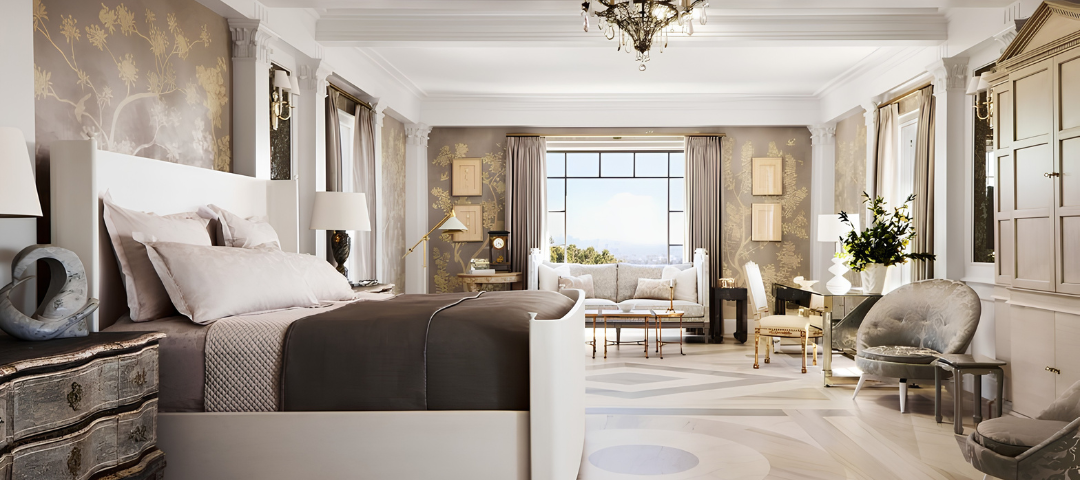
Interior Design by Mary McDonald. Photo by Sam Frost.
Presentation Is Part of the Experience
The experience of buying antiques has changed dramatically over the past decade. Discovery still happens in galleries, fairs, and showrooms, and it now unfolds just as often through email, digital tear sheets, text messages, shared folders, and online inventories. Designers move fluidly between job sites, client meetings, sourcing trips, and presentations, making decisions wherever they happen to be.
Presentation has become inseparable from service.
A thoughtfully photographed piece accompanied by complete information respects a designer’s time. It allows conversations to begin further along. With photographs and condition details already in hand, a designer can go straight to imagining how the object belongs within a project.
Inventory presented with care communicates something before a conversation even begins. It suggests professionalism, respect for a designer’s workflow, and an understanding that every project moves quickly. Presentation becomes an extension of service itself.

Interior Design by Suzanne Tucker/Tucker & Marks. Photos by Roger Davies.
Making It Easy to Say Yes
Business of Home‘s reporting on relationships between designers and their trade partners points to a consistent theme. Designers value suppliers who make their work easier through reliability, responsiveness, and clear communication. Those conversations often focus on manufacturers, and the principle applies with particular force in the world of antiques, where every object is unique, and every opportunity is fleeting.
For vintage and antiques dealers, this is an opportunity. Presentation removes uncertainty. Every unanswered question introduces hesitation into the decision-making process; every thoughtful detail clears it away. The result is momentum. Well-presented inventory allows designers to move naturally from discovery to recommendation, from recommendation to specification, and ultimately to purchase.
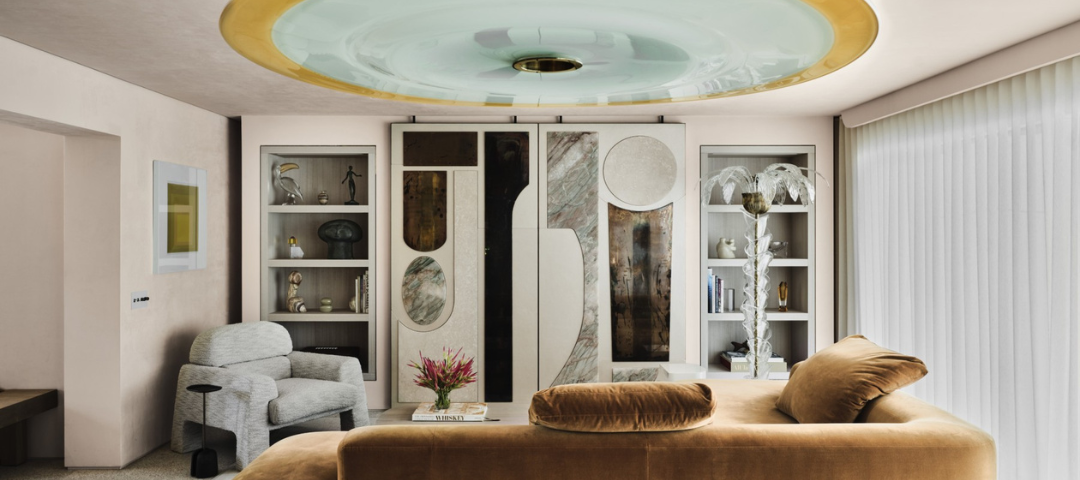
Interior Design by Citizen Artist. Photo by Douglas Friedman.
Visibility Creates Confidence
We’ve spent years thinking about what makes one-of-a-kind inventory easier to discover, understand, and share. That thinking became The Ronati Visibility Cycle™.
Visibility is the practice of presenting every object with the clarity, context, and confidence it deserves so it can move naturally through the designer’s workflow: from discovery to presentation, from presentation to specification, and ultimately into a client’s home. It also ensures each item in your inventory is ready to share at the right moment, whether you list it online or not.
Remarkable antiques have always deserved remarkable presentation. The object captures a designer’s imagination. The information gives them the confidence to say yes.
Lead images Interior Design by Suzanne Tucker/Tucker & Marks. Photos by Matthew Millman.