

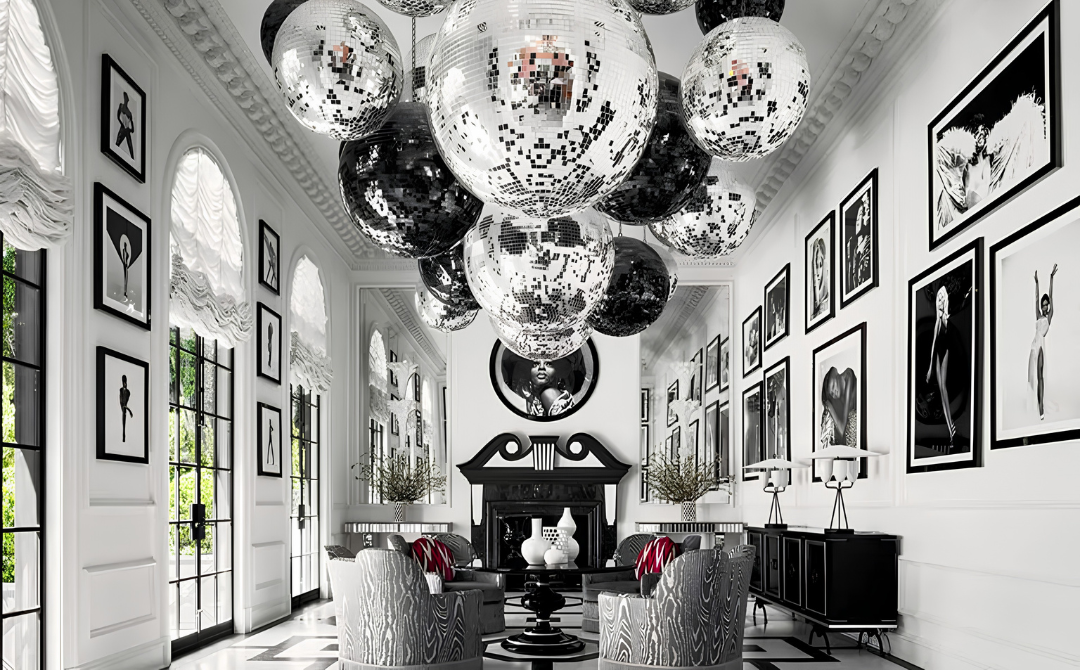
No single look has owned the last decade. Softness in some rooms, abundance in others; the styles running in parallel, each with its own moment. But beneath all of it, something steadier has been gathering: a renewed appetite for structure. For silhouette and proportion, for surfaces that catch the light rather than absorb it, for materials you want to run a hand across, and for rooms that feel collected rather than prescribed.
Architectural Digest noted the same turn in its 2025 trends report, pointing away from generic, pared-back rooms toward interiors shaped by individuality and personal expression. What unites these rooms isn’t one style so much as a sensibility … a preference for the authored over the assembled, for spaces that say something about the people who live in them.
It’s here that Art Deco feels newly relevant. Not merely as a revival of the Roaring Twenties, but as a rediscovery of what made the movement endure. What draws designers back is less the period itself, with its chrome, cocktail glamour, and skyline of 1930s Manhattan, than the conviction beneath it: that a room can be glamorous and disciplined at once, as comfortable with ornament as it is with restraint. Nearly a century on, that balance between glamour and structure, decoration and discipline still feels like a generous way to live.
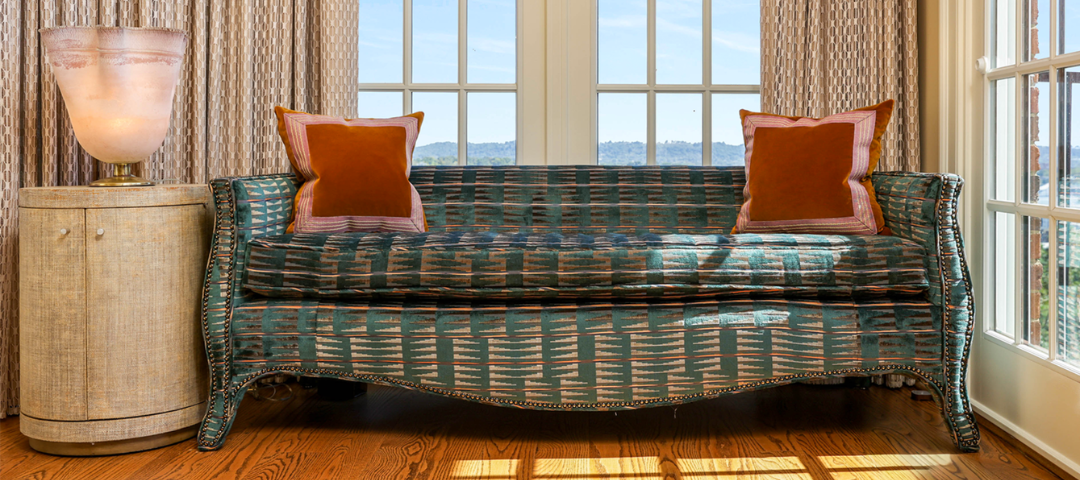
Interior design by Michelle Workman Interiors.
More Than a Style, A Point of View
Mention Art Deco and certain images arrive almost automatically … the Chrysler Building catching the afternoon sun, lacquered cabinets, a mirrored bar, the polished brass of a grand lobby. The iconography is so familiar it’s easy to mistake it for the whole story. But Art Deco was never only a decorative style; it was a way of thinking about how things should be made.
It emerged from the 1925 Exposition Internationale des Arts Décoratifs et Industriels Modernes in Paris, and it arrived with conviction: that modern life deserved beautiful objects, and that beauty was a matter of craft. Geometry turned decorative, luxury turned architectural, and furniture, lighting, and textiles were designed with a care for proportion and material that still reads as exacting today.
Its influence traveled quickly. In the United States it shaded into Streamline Moderne and the Machine Age; in Hollywood it lent its polish to the glamour that would later shape Hollywood Regency. Wherever it went, the movement made the same argument — that ornament and order could belong to the same room.
That is the part worth holding onto. The qualities designers reach for now — clarity, intention, the visible proof of craft — were written into Art Deco from the start.
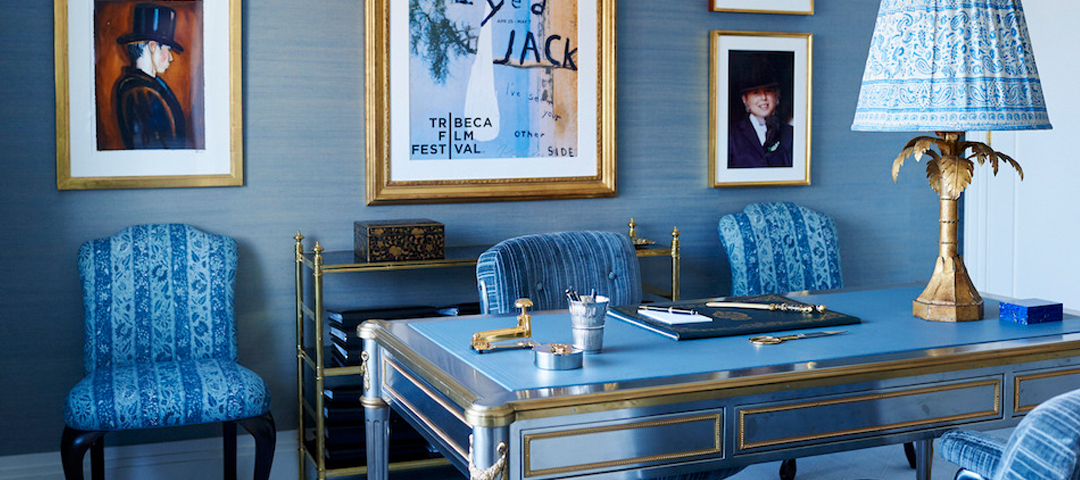
Interior design by Alex Papachristidis Interiors.
The Return of Structure
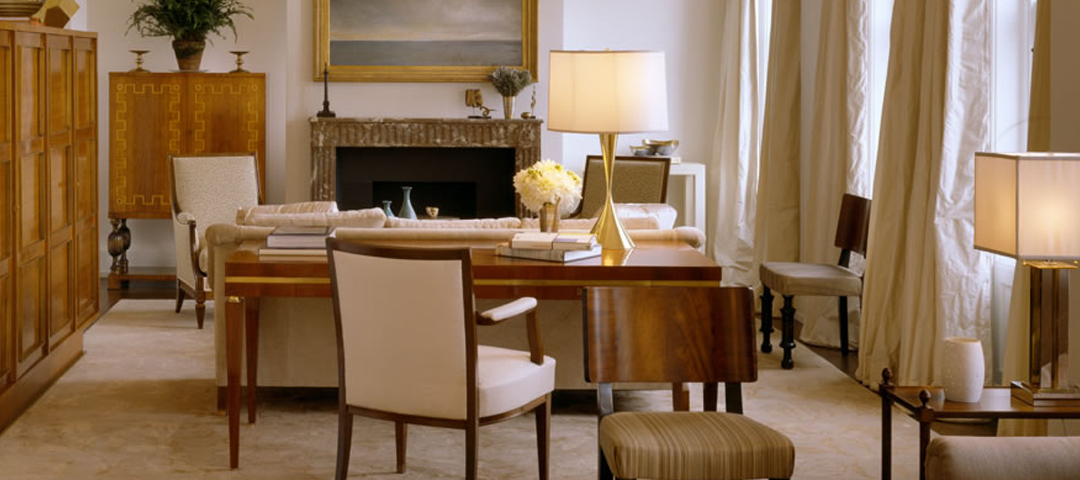
If there’s a single thread that runs through everything Art Deco touched, it’s a faith in structure. Symmetry and repetition, proportion handled like a discipline rather than an afterthought. It’s what gives a Deco room its particular composure, the sense that it was composed rather than simply assembled.
Most designers aren’t building literal Deco rooms today, but many are working from the same instinct. Strong architectural lines, balanced layouts, furniture with a clear silhouette. These elements are turning up again alongside the softer, rounder forms of recent years, and the rooms are better for the tension between them.
Few designers embody this balance as fluently as Alex Papachristidis. His interiors are richly layered — pattern on pattern, periods in conversation, color used without apology — and yet they never tip into chaos, because underneath all that pleasure there’s a firm sense of order holding everything in place. The decoration is the joy; the structure is what lets you relax into it.
That, in the end, is the lesson Art Deco keeps offering: a room doesn’t have to choose between polish and comfort, between beauty and discipline. The best ones quietly refuse the choice.
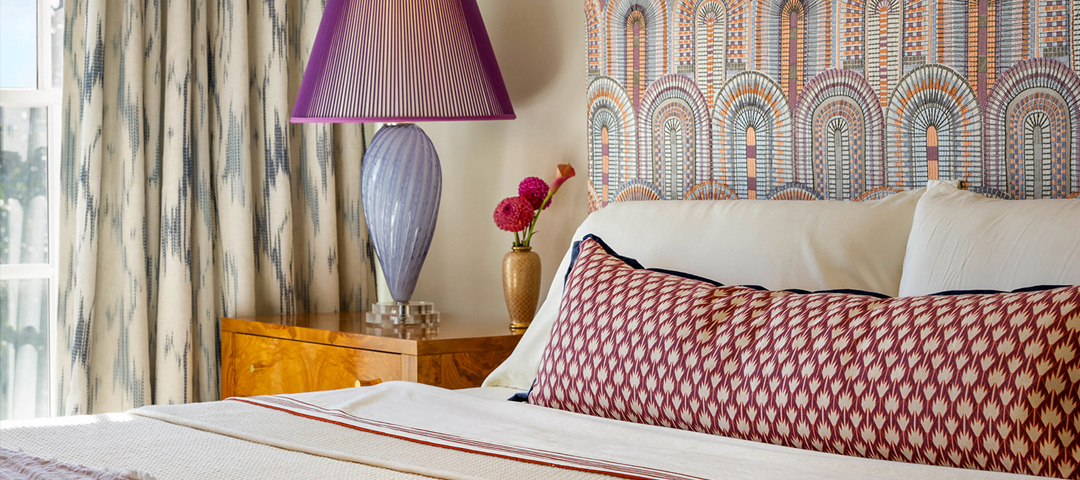
Interior design by Michelle Workman Interiors.
Glamour Without Excess
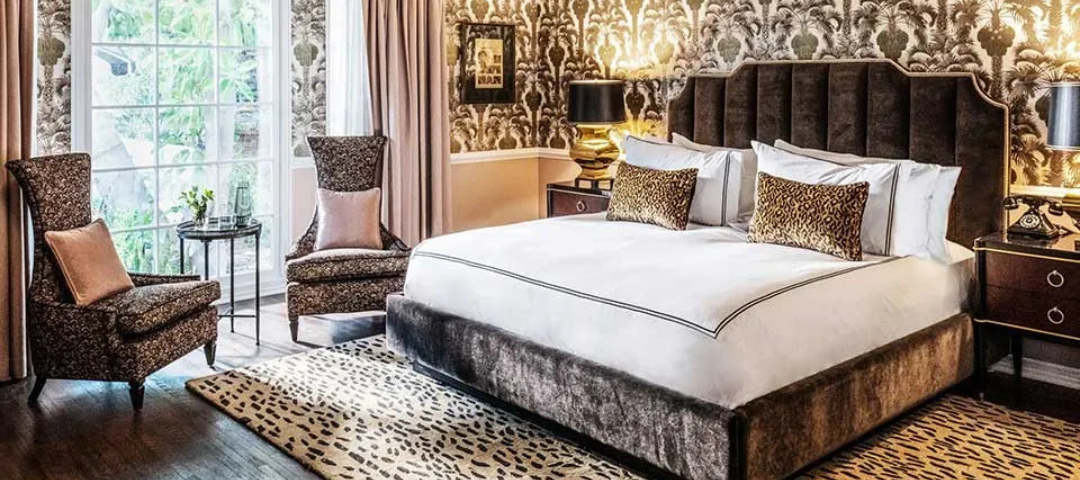
Glamour is the word most often attached to Art Deco and it fits, but the movement’s finest interiors were rarely lavish for their own sake. Their richness was chosen. Marble, shagreen, lacquer, parchment, bronze, velvet, figured wood, mirrored glass: these were used not simply because they were luxurious, but because of what they did beside one another. The contrast of cool stone against warm wood, the way a mirrored surface throws light back into a room. Every material was earning its place.
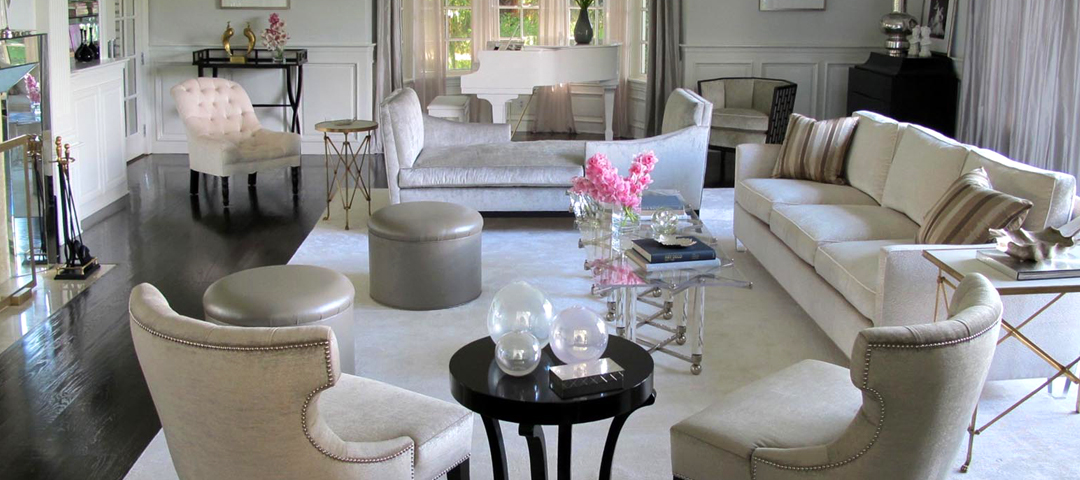
The same instinct runs through a great deal of contemporary work. Michelle Workman’s interiors have the qualities we tend to file under Art Deco and Hollywood Regency — dramatic silhouettes, sumptuous materials, a real appetite for beauty — but they’re held together by something less obvious: structure. The glamour is what you notice first; the discipline is why it works.
The renewed appetite for glamour isn’t about grand rooms heaped with ornament. It’s about allowing beauty back into a space without embarrassment, and trusting restraint to keep it honest. Decoration and discipline, once again, in the same room.
Interior design by Alex Papachristidis Interiors.
The Evidence of Time
More than almost any other movement, Art Deco reminds us that craftsmanship leaves a record. A manufacturer can reproduce a silhouette or reinterpret a motif, but there are things no reproduction can fake: the softened patina of bronze, the depth that figured wood acquires over decades, the faint wear of a surface that has been touched by hand for the better part of a century. That wear isn’t damage. It’s the object telling you where it has been.
This is where antique and vintage pieces become genuinely compelling: a French Art Deco cabinet, a Streamline Moderne desk, a sculptural bronze lamp. Each carries the craft and the material ambition of its moment; the actual evidence of how it was made and what it has lived through.
A single piece can reset an entire room. A Macassar ebony cabinet brings warmth and architectural weight; a pair of 1930s club chairs gives ballast to a space that felt slightly adrift; a geometric mirror lends rhythm to softer surroundings. The aim is rarely to recreate a period. More often it’s a good conversation … a beautifully made object talking to the contemporary forms around it rather than competing with them.
That’s what these pieces offer dealers, designers, and collectors alike: authenticity in the most literal sense. The intelligence of the maker, the character of the material, the presence of something that has already proved it can last. The most convincing Deco-inspired rooms are almost never assembled from matching suites. They’re anchored by one or two exceptional things whose presence shapes everything around them.
The Collected Home
There’s one more reason Art Deco belongs in a contemporary room: it has never needed to be the whole room. A great Deco piece doesn’t ask everything around it to match, which makes it ideal for the way the best interiors actually come together, gathered over time rather than installed in a single stroke.
That’s the kind of room Martyn Lawrence Bullard has spent a career creating: spaces built from decades of travel and collecting, where an Art Deco lacquered cabinet sits beside a Moroccan textile, a 1930s club chair, a piece of chinoiserie, each carrying its own history into the mix. The interiors you remember are seldom the ones finished in an afternoon. They accumulate. They carry the fingerprints of a life … what someone noticed on a trip, what they carried home, what they couldn’t bring themselves to part with.
This is where a Deco piece comes into its own. A Swedish Art Deco chair settles in beside a modern sofa without strain; a streamlined cabinet holds its own among softer, rounder things. Nothing has to share a decade to share a room. It only needs to be worth keeping, which is the one quality a well-made Art Deco object has never been short of.
Interior design by Michelle Workman Interiors.
Built to Endure
The renewed interest in Art Deco isn’t really a style coming back around. It’s a quieter hunger for rooms that feel considered, for objects made to outlast the person who chose them, and for the sense that someone’s hand and judgment went into the things we live with.
That’s what the movement has always offered, and why it keeps finding its way back. Long after the period itself receded, the instinct behind it holds: that beauty and discipline were never opponents, that a well-made object earns its place slowly and then keeps it for good.
In a moment fluent in the quick copy and the near-enough version, that’s no small thing. The pieces worth having are still the ones that carry the judgment of the artisan, the grain of a real material, the evidence of years already behind them.
They were built to endure. So far, they have.
Lead image interiors by Martyn Lawrence Bullard.