

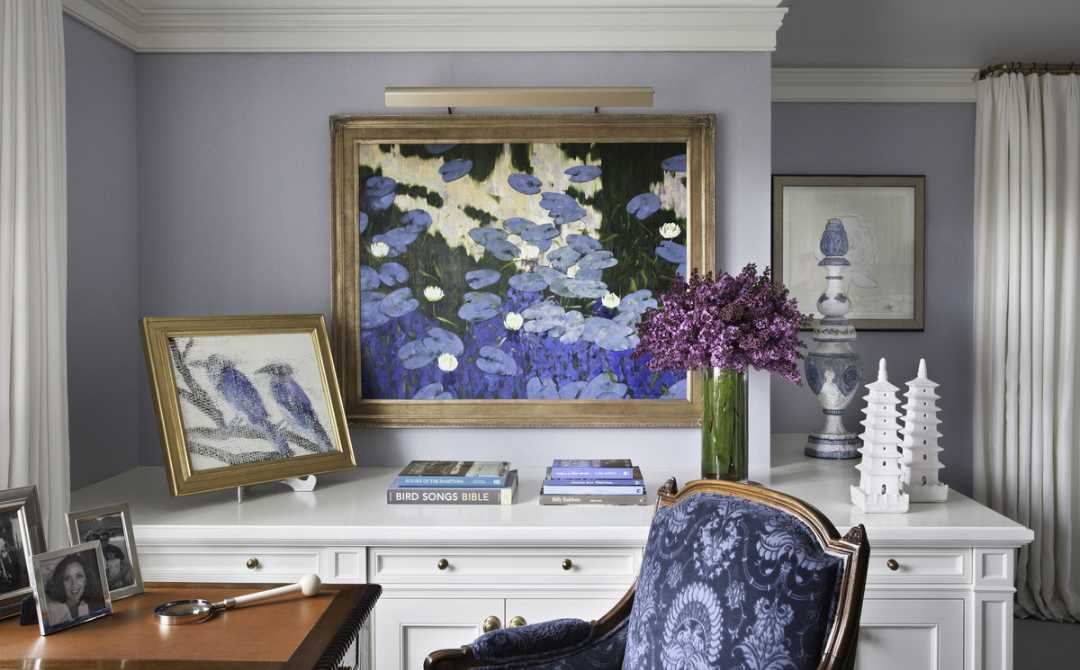
Not every fair exists solely to move inventory. Some shape how design is seen — and how objects from earlier periods are positioned within contemporary interiors.
Across the global calendar, a small group of design-led events influence how vintage and antique pieces are presented, contextualized, and valued. Designers attend to source, while also reading the direction of the rooms around them. Dealers arrive to sell, build relationships, and understand how materials are being paired and where aesthetic momentum is forming.
These events sit alongside traditional antiques shows, expanding the conversation rather than replacing it. They offer a broader view of how historic objects continue to circulate within today’s design ecosystem — through sourcing, installation, and the ongoing dialogue between past and present.
Below are the design fairs and festivals shaping that conversation — and what they signal for professionals working across art, design, and antiques.
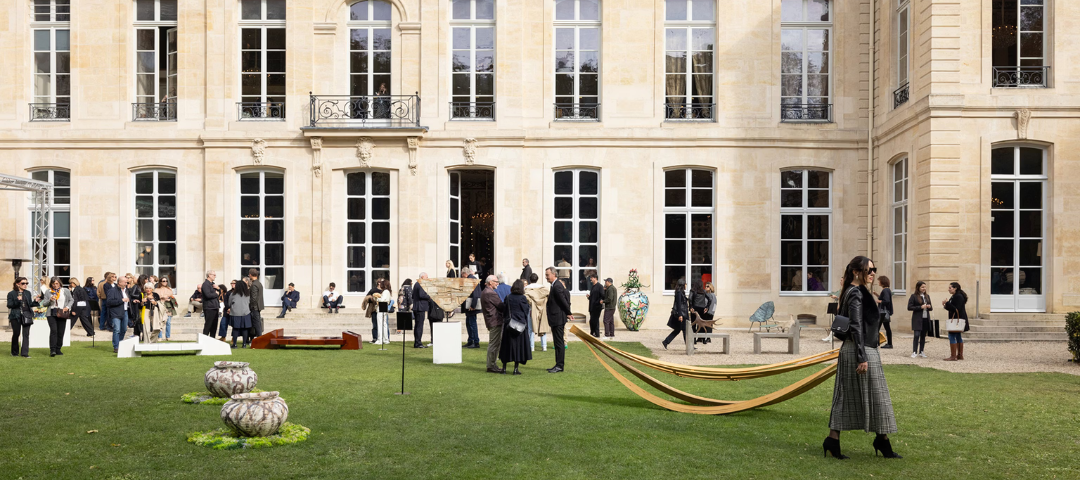
Design Miami.Paris 2025 (Image credit- Ivan Erofeev)
Where the Design Industry Gathers
These are the trade gatherings where the interior design industry comes together. Some operate at global scale, while others are more tightly curated, but each offers a setting where dealers, designers, and collectors meet to source objects and exchange ideas. Together, they influence what designers request from antiques dealers and how historic pieces are integrated into new projects.
High Point Market — North Carolina
When: Spring and Fall | Location: High Point, North Carolina
High Point Market isn’t structured as an antiques fair — and that’s exactly what makes it relevant. Twice each year, thousands of interior designers gather in North Carolina, turning the city into a working laboratory for contemporary interiors.
For antiques and vintage dealers, the opportunity is both commercial and relational. Antique and vintage pieces appear throughout established showrooms, private spaces, and long-standing dealer relationships, often tied directly to active design projects. The pace is professional and purposeful, with scheduled meetings, active projects under discussion, and sourcing woven directly into ongoing work.
Unlike public-facing fairs, access is reserved for the trade. The conversations here are less about spectacle and more about collaboration — understanding what designers are specifying now and how vintage and antiques can anchor those rooms.
Why it matters: direct access to working interior designers and active projects
Best for: dealers cultivating long-term designer partnerships and designers seeking distinctive pieces for active projects
The San Francisco Fall Show — California
When: Fall | Location: San Francisco, California
Long regarded as one of the most respected fairs on the West Coast, The San Francisco Fall Show brings a distinctly curated sensibility to antiques and decorative arts. Exhibitors present material spanning centuries, with an emphasis on quality, scholarship, and thoughtful installation.
The fair’s longstanding commitment to vetting and educational programming creates an environment that attracts designers, collectors, and institutions alike. Booths are composed with care, allowing visitors to experience historic works within settings that highlight craftsmanship, provenance, and historical context.
For attendees, the fair offers both sourcing opportunities and a broader perspective on how antiques and decorative arts continue to live within contemporary interiors.
Why it matters: a West Coast anchor known for rigorous vetting and thoughtfully presented historic works
Best for: designers, collectors, and institutions seeking historically significant works presented with curatorial rigor
Maison&Objet — France
When: Winter and Fall | Location: Paris, France
Maison&Objet operates at scale. Each edition transforms Paris into a global meeting point for contemporary design, bringing together brands, manufacturers, emerging studios, and established voices across interiors and lifestyle.
For vintage and antiques professionals, the fair offers both sourcing opportunities and a clear view into the materials, palettes, and silhouettes gaining traction. Walking the halls clarifies what feels directional, what feels saturated, and where new energy is forming.
Beyond sourcing, the fair also offers a moment of calibration. Attending allows dealers and designers to source new pieces while also understanding how contemporary work is evolving — and how vintage and antique objects can ground or sharpen those conversations within real projects.
Why it matters: concentrated visibility into emerging materials, palettes, and design direction
Best for: designers and dealers who want to track emerging aesthetics and thoughtfully position heritage pieces within modern interiors
Salone del Mobile — Italy
When: Spring | Location: Milan, Italy
Salone del Mobile, alongside Milan Design Week, sets the tone for the global design conversation each year. Installations, showrooms, and architectural settings reveal how scale, proportion, and material are evolving.
For antiques dealers and designers alike, Milan offers both sourcing opportunities and a broader view of where design is heading.
Why it matters: sets the tone for how scale, material, and historic context will be framed in the year ahead
Best for: professionals calibrating long-term positioning
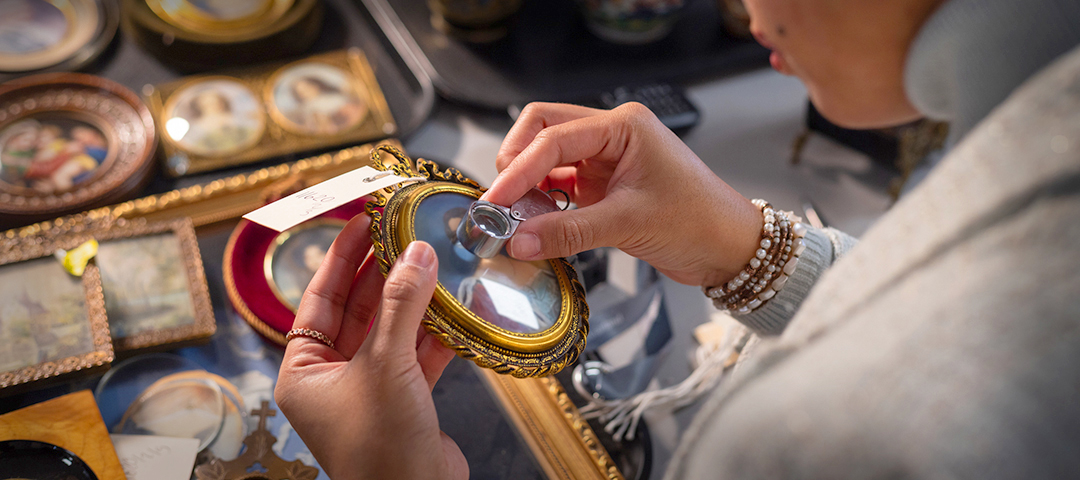
Collectible Design Across Eras
These fairs sit at the intersection of historic, modern, and contemporary design, reinforcing the fluidity with which today’s collectors move across eras.
PAD Paris — France
When: Spring and Fall | Location: Paris, France
Set within the Jardin des Tuileries each spring, PAD Paris offers a tightly edited view of collectible design across eras. Twentieth-century masters, historic works, and contemporary decorative arts are presented side by side, not as contrasts, but as complements.
The scale is intentional. Booths feel composed rather than crowded, allowing visitors to move through the fair with clarity. It is as much about presentation as it is about objects — a reminder that how something is shown shapes how it is understood.
Why it matters: shows how leading galleries present and position cross-period design
Best for: designers, collectors, and creative directors looking to see how historical and contemporary pieces live together at the highest level
Design Miami — Miami Beach
When: Winter | Location: Miami, Florida
Design Miami moves quickly. Timed alongside the international art calendar, the fair carries the pulse of a broader cultural moment — where collectible twentieth-century and studio-era design is discussed, acquired, and recontextualized in real time.
Booths are tightly curated, but the energy is unmistakably dynamic. Major galleries debut ambitious presentations. Designers, collectors, advisors, and institutions circulate with purpose. Conversations begin on the floor and continue well beyond it.
For attendees, it offers more than access to significant works. It provides visibility into how the upper tier of the design market is positioning itself — what feels urgent, what is established, and what is gaining momentum.
Why it matters: signals how the upper tier of the design market is pricing, presenting, and positioning itself
Best for: collectors, design professionals, and market-watchers who want to experience where high-level twentieth-century design intersects with the global art world
COLLECTIBLE — Brussels
When: Spring | Location: Brussels, Belgium
COLLECTIBLE is firmly rooted in contemporary design, but its relevance reaches well beyond the present moment. The fair brings together emerging galleries, independent studios, and experimental voices working at the intersection of design and art.
The atmosphere feels exploratory. Materials are pushed. Scale is reconsidered. The boundary between functional objects and sculptural statement begins to blur. For attendees, it’s less about established names and more about watching new categories take shape in real time.
For antiques and vintage professionals, that perspective matters. Today’s experimental work often becomes tomorrow’s reference point — shaping how future generations collect, contextualize, and value design.
Why it matters: early visibility into experimental work shaping future collectible demand
Best for: designers, advisors, and forward-looking dealers tracking where the next wave of demand may form
NOMAD CIRCLE — Around the World
When: By invitation and announced editions | Location: Rotating international destinations
NOMAD is less a fair and more an orchestrated encounter. Hosted in architecturally significant private residences, the exhibition brings together art, antiques, and contemporary collectible design within rooms that already carry their own history and atmosphere.
Scale is intentionally limited. Instead of aisles and booths, visitors move through domestic spaces where objects are placed in dialogue with architecture, light, and one another. The experience feels immersive and deliberate — closer to stepping inside a collector’s home than navigating a trade floor.
For attendees, the emphasis is not on volume but on narrative. Each setting encourages a slower pace and a closer read of how historic and contemporary works coexist when thoughtfully installed.
Why it matters: demonstrates the power of context in shaping how objects are perceived and valued
Best for: collectors and designers who prioritize atmosphere, installation, and cross-category conversation
Modernism Week — Palm Springs
When: Winter | Location: Palm Springs, California
Modernism Week unfolds across Palm Springs as a citywide celebration of twentieth-century design. Rather than a single fairground, the event spans architectural tours, lectures, exhibitions, and curated selling shows — turning the desert landscape into an open-air classroom for mid-century and postwar design.
Historic homes are opened to the public. Significant interiors are experienced in situ. Furniture and decorative arts are experienced within the architectural language that shaped them. The atmosphere feels immersive and communal, with designers, collectors, and enthusiasts moving between venues throughout the week.
For professionals working in twentieth-century design, attending offers more than sourcing. It provides context — a chance to see how environment, light, and architecture deepen understanding and influence value.
For those focused specifically on sourcing, the Palm Springs Modernism Show, held during the same period, offers a more traditional fair format within the broader Modernism Week calendar.
Why it matters: reinforces the role of architectural setting in shaping how modern design is understood and collected
Best for: designers, dealers, and collectors specializing in mid-century and postwar interiors
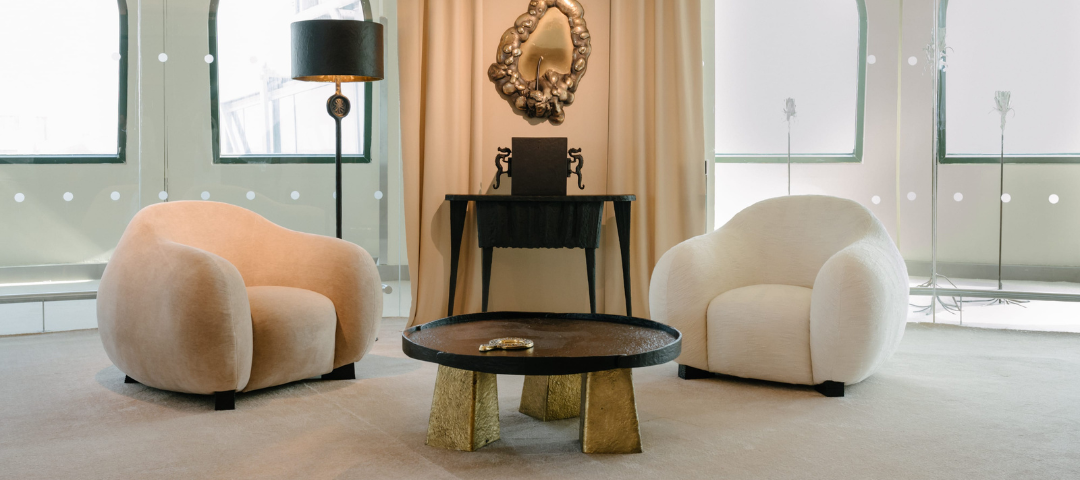
Image courtesy of Nomad Circle Hamptons
Where Art Reshapes Interiors
While not antiques fairs, these global art events shape how collectors and designers think about scale, confidence, and visual hierarchy within interiors.
Art Basel — Switzerland
When: Summer | Location: Basel, Switzerland
Art Basel operates at a scale few events can match. Major galleries present ambitious contemporary works, and collectors, advisors, and designers arrive prepared to acquire with conviction. The atmosphere is focused and global — conversations unfold quickly, and decisions carry weight.
For those working in interiors, the impact extends beyond the fair floor. Large-scale acquisitions often reshape rooms entirely, prompting new conversations around proportion, lighting, furniture, and material balance. Attending offers visibility into how serious collectors are building around art — and how design adapts in response.
It is less about browsing and more about observing momentum at the highest tier of the market.
Why it matters: reveals how major art acquisitions reshape interiors and influence design decisions
Best for: designers, advisors, and collectors operating at the intersection of contemporary art and interiors
Frieze London — UK
When: Fall | Location: London, England
Frieze London unfolds each October in Regent’s Park, bringing together emerging and established contemporary voices within one of the art world’s most visible cultural moments. The pace is energetic, but the mood is thoughtful — galleries present focused booths, and conversations move easily between collectors, curators, designers, and advisors.
For those working in interiors, attending offers early exposure to aesthetic shifts. Color, scale, material experimentation, and conceptual framing often surface here before filtering into residential and commercial projects. The overlap between the art and design trades is tangible, making the fair as relevant to spatial thinking as it is to collecting.
Walking Frieze is less about a single acquisition and more about reading direction — understanding what feels current, what feels enduring, and how contemporary art reshapes the rooms built around it.
Why it matters: offers real-time insight into aesthetic shifts influencing both art and interiors
Best for: designers, advisors, and collectors working across contemporary art and historic works

What This Means for the Trade
For antiques dealers and designers alike, design-led fairs serve more than one purpose. They are active sourcing environments where significant works are bought and sold, but they also offer something equally valuable: visibility into how the broader design landscape is evolving.
These events shape how vintage and antique pieces are photographed, installed, and discussed. They influence how collectors frame provenance and authorship, and they recalibrate expectations around scale, value, and narrative within contemporary interiors.
For professionals working with one-of-a-kind objects, attending provides both opportunity and perspective. Inventory moves, relationships deepen, and the broader direction of the market becomes clearer — how earlier works are being reinterpreted, positioned, and ultimately lived with today.
Our Guide to Trade Fairs and Shows, created in partnership with Antiques News & Fairs x The House Directory, highlights the global calendar of fairs where dealers, designers, and collectors gather to source, sell, and build the relationships that sustain the trade. Together, these events reveal both the transactional rhythm of the market and the larger design conversation influencing where it goes next.
Staying attuned to both is not optional. It informs how the past continues to find relevance in the present.
Cover image: Interior Design by Alexa Hampton / Mark Hampton Interiors.