

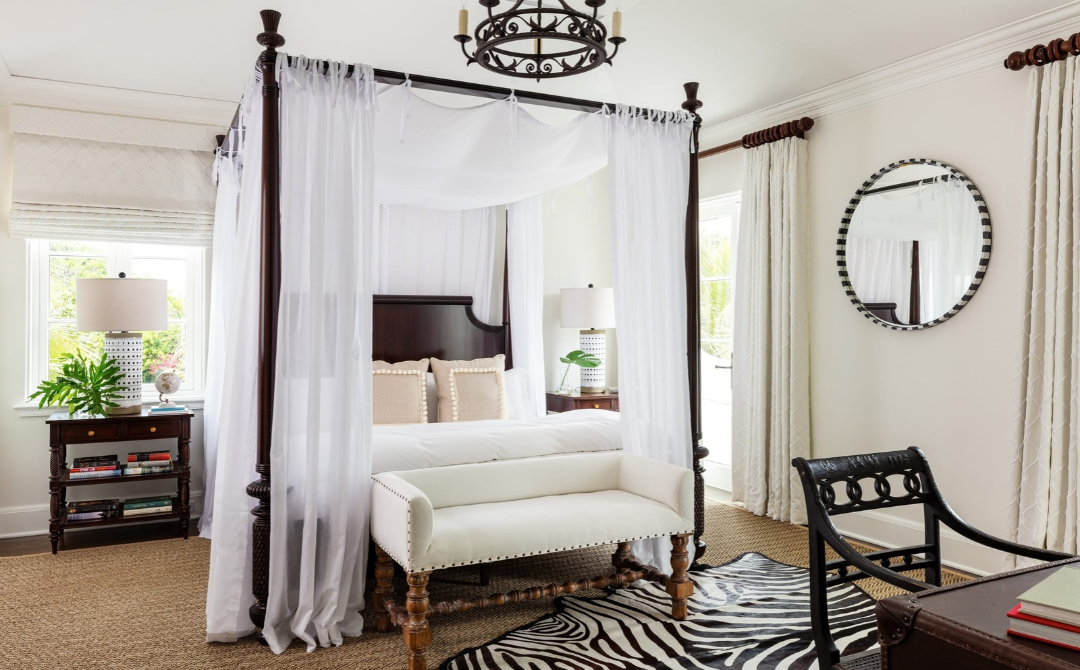
As generations of accumulated possessions begin changing hands, the antiques trade faces a remarkable convergence of inheritance, shifting tastes, and renewed appreciation for objects with a past. The more revealing question may be what the next generation will choose to keep.
Somewhere, a family is sorting through a house that has been lived in for fifty years. The dining table has hosted generations of celebrations. The silver was a wedding gift. There are paintings purchased on travels abroad, a collection of porcelain assembled over decades, and a Georgian chest that has occupied the same corner for as long as anyone can remember.
Each piece carries a story. But the people who will inherit them have homes, tastes, and priorities of their own. Some will become cherished links to family history. Others will find their way into auction rooms, dealers’ showrooms, and estate sales, beginning entirely new chapters in the hands of people who never knew their original owners.
This is one of the quieter consequences of the Great Wealth Transfer, the unprecedented movement of assets from older generations to their heirs. And it’s arriving at a telling moment for the antiques market.
After years of interiors dominated by newness, minimalism, and mass-produced furnishings, designers and collectors are showing renewed enthusiasm for antiques, vintage furniture, and spaces that feel assembled over time.
An enormous quantity of older objects may soon change hands, just as a new generation is learning to appreciate them.
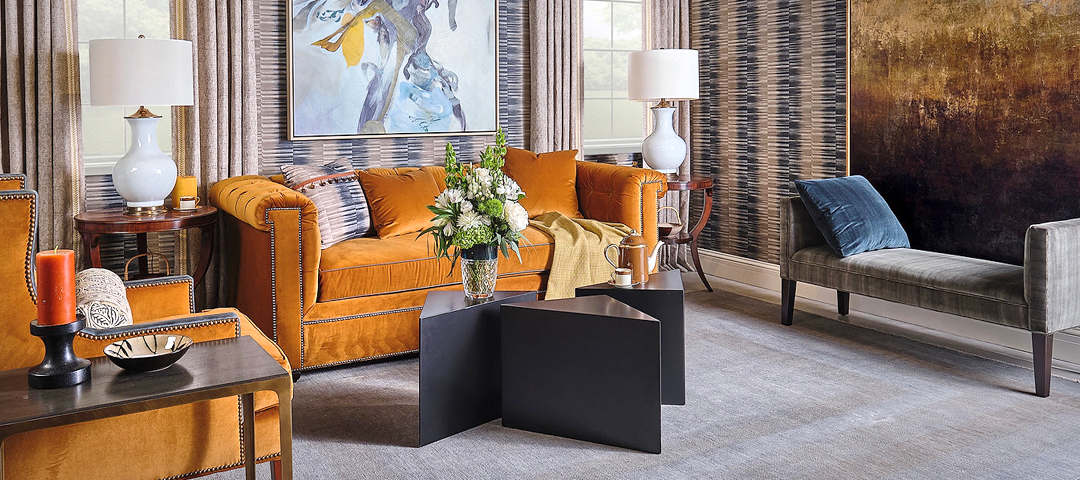
Interiors by Keita Turner Design
A Transfer Measured in Trillions
The scale of the coming transition is extraordinary. According to Cerulli Associates’ June 2025 research, nearly $124 trillion in US wealth is projected to transfer through 2048. Generation X is expected to inherit the greatest share over the next decade, while Millennials stand to receive the largest cumulative inheritance over the longer term.
Much of the discussion has centered on investments, real estate, and the implications for wealth management. Yet behind those financial assets lies another category of inheritance, one that is considerably more personal: the contents of their homes.
Furniture, paintings, silver, ceramics, decorative objects, and collections assembled over lifetimes represent both financial and emotional value. Unlike stocks or bonds, their transfer requires decisions about space, taste, condition, provenance, and attachment.
Signs of this shift are already visible in estate sales and generational collecting. In March 2026, Business Insider examined the emerging market for Baby Boomer possessions, describing how younger buyers are discovering opportunities among furniture, decorative objects, and everyday household collections entering the secondary market.
The financial transfer will unfold over decades, and only a portion of it will involve antiques and decorative arts. Still, the implications for the trade are considerable.
A generation that spent decades acquiring is gradually making way for generations that will decide what those acquisitions are worth to them.
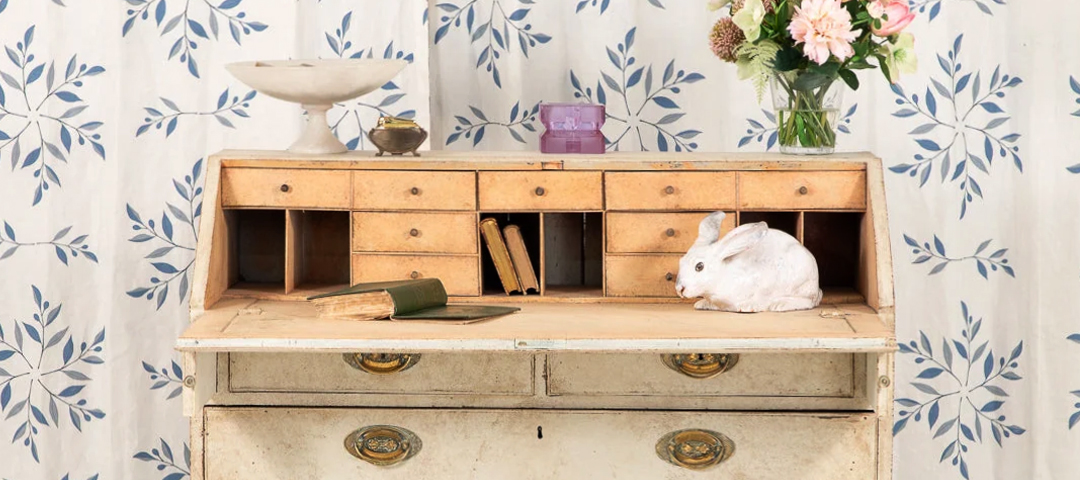
Image courtesy of Modern Antiquarian
What Will the Next Generation Keep?
Inheritance is rarely a straightforward matter of value.
An object worth relatively little at auction may be irreplaceable to a family. Conversely, an important antique with considerable market value may hold no particular appeal for the person who inherits it.
There are practical considerations, too. Younger households may have less space for formal dining furniture, extensive dinner services, or large collections. Lifestyles have changed, and the distinction between objects intended for display and those meant for daily use has become less rigid.
Yet the assumption that younger generations simply do not want inherited possessions deserves reconsideration.
The 2026 Art Basel and UBS Survey of Global Collecting found that 40% of surveyed Gen Z high-net-worth collectors entered collecting through family influence, and nearly 90% of respondents who had inherited artworks chose to keep them. The findings are limited to fine art and to a wealthy collector population, so they speak only indirectly to antiques or to inheritors at large. Nevertheless, they challenge the notion that the next generation is uniformly eager to dispose of the past.
As Paul Donovan, Chief Economist at UBS Global Wealth Management, observed in the report, “younger collectors continue to favor traditional media such as painting and sculpture,” suggesting more continuity in collecting preferences than generational stereotypes might imply.
What changes, perhaps, is the relationship between the object and its setting. A formal mahogany table may no longer anchor a dedicated dining room, but it might find a place in a contemporary apartment. An inherited portrait could hang alongside modern photography. A collection of antique ceramics, once reserved for a cabinet, might become part of everyday life.
The challenge is helping people see possibilities that extend beyond an object’s original purpose.
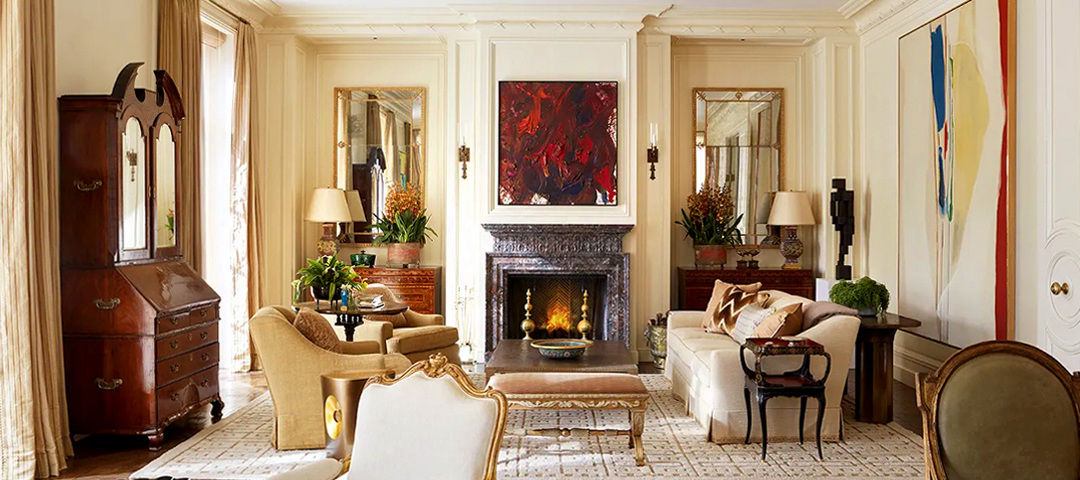
Interior Design by Suzanne Tucker/Tucker & Marks
The Designer as Interpreter
Interior designers have always helped clients navigate the relationship between what they own and how they want to live. As more inherited collections enter family homes, that role may become increasingly important.
A designer can recognize the potential of a piece that feels out of place, give an inherited object a new context, or help a client decide which possessions deserve to accompany them into another chapter of life.
For San Francisco-based designer Suzanne Tucker, the freedom to combine periods and styles is central to creating compelling interiors. In an October 2025 interview with LUXE Interiors + Design, Tucker encouraged collectors to trust their own eye, explaining that “it’s about personality, not price tags.”
She illustrated the point with an inherited Biedermeier table in a library she designed, where the piece serves equally well for backgammon or an intimate dinner. An antique rug establishes the room’s palette, while contemporary upholstery and a varied collection of objects complete the setting.
Here, an inherited piece earns its place through use, which may be the most persuasive argument for keeping one.
Designer Celerie Kemble made a similar case in Garden & Gun’s October/November 2025 exploration of Southern antiquing destinations. “With antiques, the quality is often far more enduring,” Kemble observed, adding that finding a piece one genuinely loves brings a sense of character and serendipity that is difficult to reproduce.
A designer may be the first person to suggest keeping the grandmother’s table, reupholstering the pair of chairs, or displaying the family silver in a less formal way. The goal is to preserve what is meaningful while allowing the surroundings to evolve.
For interior designer Keita Turner, the relationship between family history and contemporary living has taken tangible form.
In a Williamsburg, Brooklyn apartment featured online in Curbed and in the print edition of New York Magazine, Turner worked with an artist who had inherited her home from her mother. Turner wove the inherited furnishings and collections into an expressive interior filled with color, artwork, and personal meaning. Antique figurines, family possessions, and collected objects found new places alongside contemporary furnishings and custom shelving.
In an August 2026 conversation with the Designers & Builders podcast, Turner explored how a client’s experiences and personal history shape her design process.
Her Williamsburg project shows what the Great Wealth Transfer may mean for designers. The possessions of one generation need not dictate the aesthetic of the next. With imagination and sensitivity, they can become part of something entirely new.
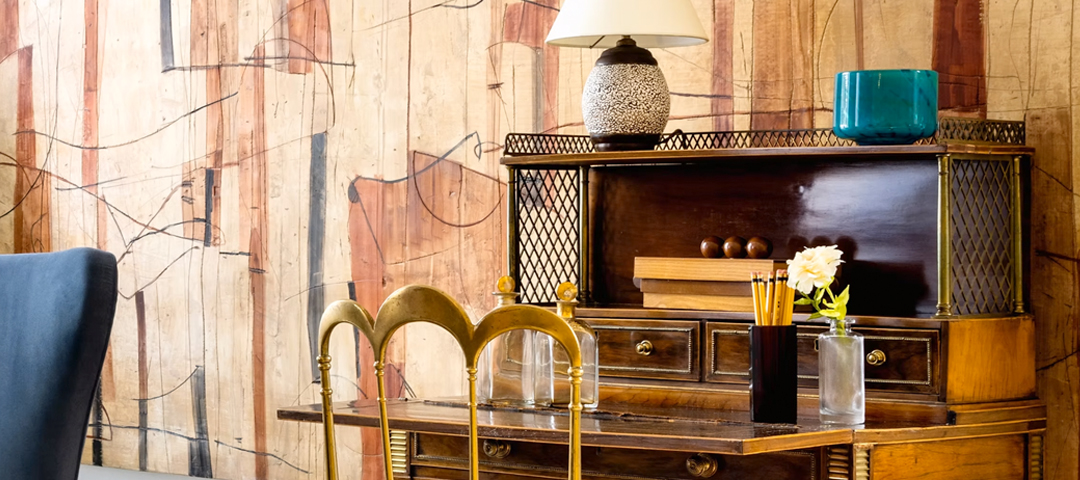
Interiors by Keita Turner Design
A New Marketplace for Old Things
For antiques dealers and auction houses, the Great Wealth Transfer presents a more complicated opportunity. An increase in the number of objects coming to market does not necessarily mean an increase in demand. In some categories, greater supply could place additional pressure on prices, particularly for furniture and decorative objects that no longer suit prevailing tastes.
But the market is not standing still. In December 2025, Architectural Digest profiled a new generation of antique and vintage dealers who are reshaping both the inventory being offered and the ways people discover it.
Carly Krieger, founder of Past Lives Studio, observed that younger buyers are “absolutely gravitating toward real antiques, not pieces being mass-produced to look like antiques.”
For buyers seeking individuality, the appeal of an antique often lies in its craftsmanship, its originality, and the knowledge that an identical piece cannot simply be ordered.
For dealers, this creates opportunities to introduce familiar categories to unfamiliar audiences. A Georgian chest might appeal to someone who has never considered buying Georgian furniture. A nineteenth-century mirror may find its place in a thoroughly contemporary interior. An object overlooked at auction could become the centerpiece of a designer’s next project.
Dealer Margaret Schwartz, founder of Modern Antiquarian, spoke to this adaptability in a September 2026 interview with the Designer Society of America. Discussing the creative possibilities of antique furniture, Schwartz explained, “You can bring new life to these historic objects.” In one example, she imagined an eighteenth-century Italian Baroque armoire in a new role as a bar or display cabinet, its age and workmanship as much a part of its appeal as its new purpose.
This spirit of reinvention may prove essential as more inherited possessions enter the market.
Auction houses have a chance to reach audiences beyond established collectors through thoughtful cataloging, accessible estimates, and presentations that place historical objects within contemporary life. Dealers who pair specialist knowledge with a willingness to rethink how objects are presented, described, and sold stand to benefit most. And buyers gain access to pieces they may once have dismissed as too formal, too expensive, or too difficult to live with.
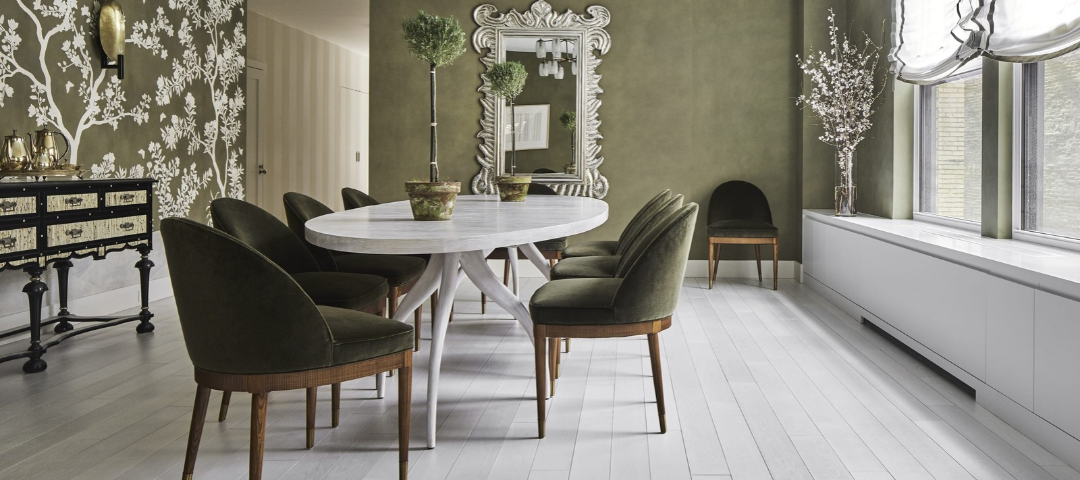
Interior design by Celerie Kemble/Kemble Interiors
The Value of Knowing What You Have
There is another consideration that becomes more important as collections pass between generations: knowledge. A collector may spend decades learning about the objects they own. They know which dealer supplied a table, where a painting was purchased, who restored a chair, and why a particular piece matters.
But that understanding does not always pass along with the object. Receipts disappear, provenance grows uncertain, and family stories slowly drift away from the possessions that inspired them.
For dealers, auction houses, and collectors alike, the coming generational transition makes accurate documentation especially valuable.
An object’s history, condition, attribution, and ownership record can inform its valuation and help prospective buyers understand what makes it distinctive. Even when provenance does not materially increase financial value, it can deepen the connection between an object and its next owner. That knowledge may also help families make more thoughtful decisions about what to retain, what to sell, and what to pass along.
In a market increasingly shaped by discovery online, communicating that information clearly is how an object’s story travels with it. It is the reason Ronati Studio was built to keep an object’s history, condition, and provenance attached to it, so the knowledge one owner gathered is there for the next.
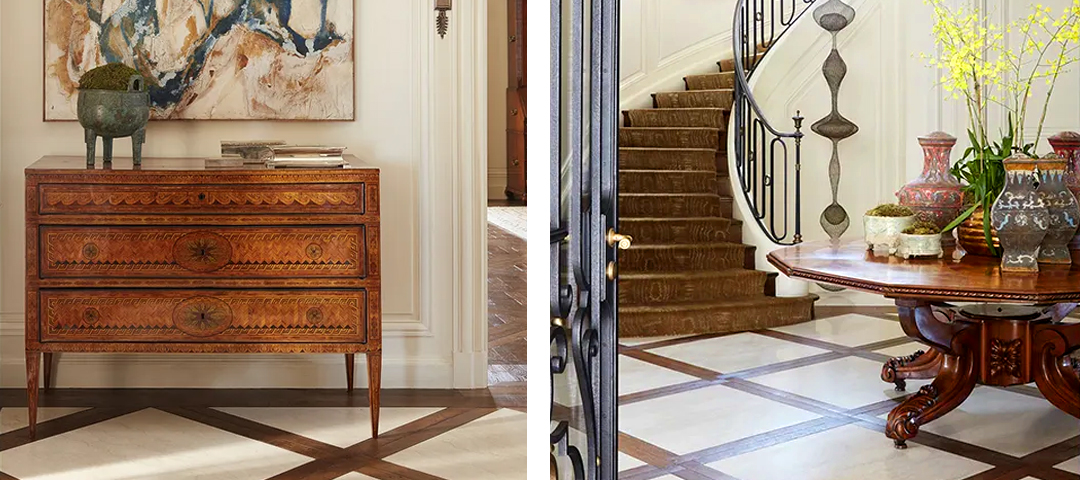
Interior Design by Suzanne Tucker/Tucker & Marks
The Next Chapter of Collecting
The Great Wealth Transfer will not produce a single outcome for the antiques market.
Some collections will remain intact. Others will be dispersed. Certain categories may attract enthusiastic new audiences, while others will continue to struggle for relevance. And the next generation of collectors will bring its own priorities, interests, and definitions of value. The more interesting question for the antiques trade may be whether the younger generation’s evident enthusiasm for fine art will extend to the furniture, decorative arts, and everyday objects that give interiors their character.
For dealers, there is an opportunity to introduce another generation to the knowledge and craftsmanship behind an object. For designers, there is the chance to give inherited possessions a place in homes that reflect contemporary lives. For auction houses, there is the responsibility of connecting collections with new audiences. And for collectors, there is the possibility of discovering something meaningful in an object that has already lived several lives.
The pieces changing hands over the coming decades will have been made, purchased, cherished, and passed along under circumstances very different from those of their next owners. Their histories are set, and what comes next is still being written.
And perhaps that is the most compelling prospect of all: that the next great chapter of the antiques market will be shaped by what one generation discovers in what another leaves behind.
Lead image: Interior Design by Celerie Kemble/Kemble Interiors