

Updated for 2026
Within the vintage and antiques trade, some of the most interesting sourcing moments unfold far from the polished aisles of vetted fairs.
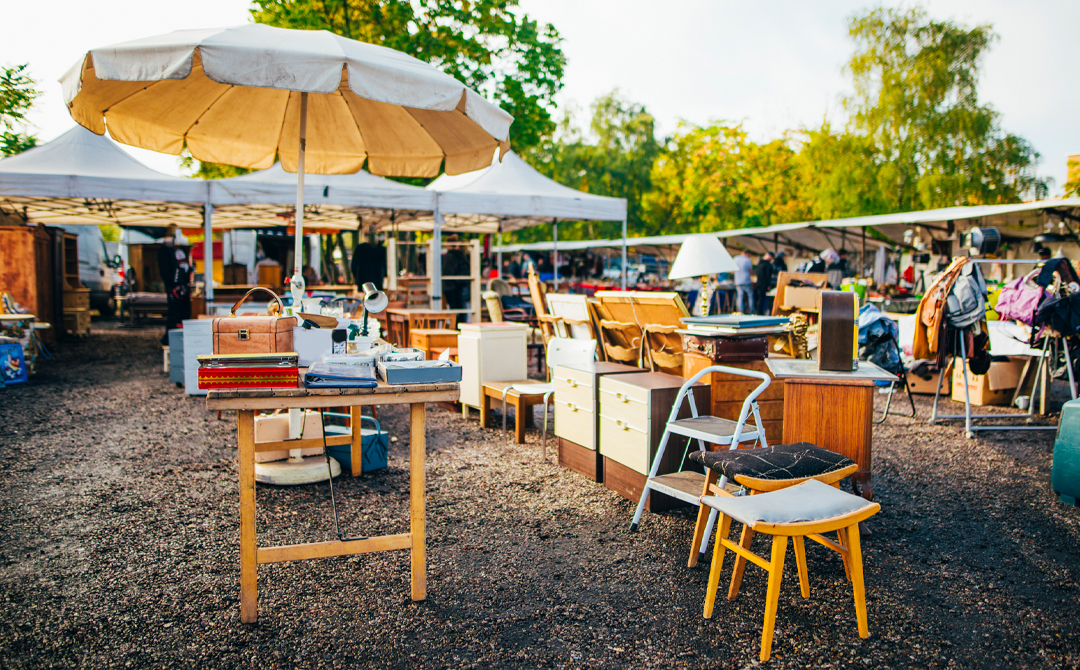
They happen in open fields, along city streets, inside cavernous warehouse halls, and across sprawling outdoor markets where dealers, designers, and collectors move from table to table scanning objects that may never pass through a gallery or formal exhibition.
Flea markets operate according to a different rhythm. Inventory turns quickly. Sellers arrive for a weekend and disappear the next. Buyers move through rows with practiced speed, knowing that hesitation can mean watching the right object leave in someone else’s hands.
For professionals working with vintage and antiques, these markets remain indispensable environments for discovery. They reveal what is circulating through the trade, what materials and periods are drawing renewed attention, and where taste may be shifting before those signals appear in more formal venues.
Below are some of the top flea markets and vintage markets that continue to shape sourcing conversations across Europe and the United States.
Institutional Flea Markets
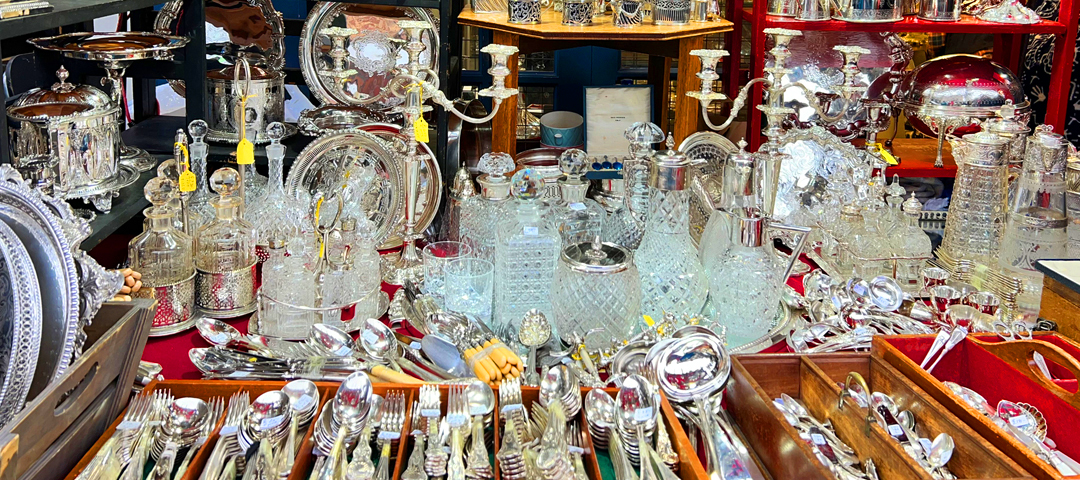
A handful of flea markets have evolved into institutions within the antiques trade. Dealers maintain long-standing stalls, buyers return with practiced routines, and over time the markets themselves begin to resemble open-air antiques districts.
Marché aux Puces de Saint-Ouen — Paris
When: Weekly | Location: Saint-Ouen, France
The Paris Flea Market is less a market than an institution.
Spread across multiple interconnected markets just north of the city, Saint-Ouen operates as a permanent antiques ecosystem where decorators, international dealers, stylists, and collectors source with precision. The structure is unusually layered. Markets such as Paul Bert Serpette and Biron operate almost like curated fairs within the broader flea environment, while Dauphine and Vernaison retain the more traditional rhythm of a brocante.
Together, these sections illustrate how the market accommodates both connoisseurship and discovery within a single geography. Professional buyers often arrive with specific goals, but the market still rewards curiosity and time spent wandering.
Why it matters: enduring influence and global sourcing relevance
Best for: designers, dealers, and collectors seeking decorative and historical depth
Marché aux Puces de Vanves — Paris
When: Saturdays and Sundays | Location: Paris, France
Smaller and more informal than Saint-Ouen, the Vanves flea market operates closer to the traditional Parisian brocante model. Dealers bring smaller antiques, vintage design, books, art, and decorative objects that reward patient browsing.
For many decorators, Vanves serves as a complementary stop when sourcing in Paris. While Saint-Ouen offers structure and specialist galleries, Vanves preserves the unpredictability that defines flea market culture.
A table may hold everything from early twentieth-century lighting to mid-century ceramics or overlooked prints waiting to be reframed and recontextualized.
Why it matters: a reliable discovery market within the Paris sourcing circuit
Best for: decorators, stylists, and collectors willing to hunt
Portobello Road Market — London
When: Saturdays (antiques focus) | Location: London, United Kingdom
Portobello Road remains one of the most historically continuous antiques street markets in Europe.
On Saturdays, the stretch between Chepstow Villas and Westbourne Grove becomes a corridor of long-established dealers offering silver, glass, small furniture, prints, and decorative objects. While tourism has inevitably grown around the market, the antiques section retains a professional rhythm shaped by decades of trade participation.
Early arrivals still matter. Dealers set up before the crowds arrive, and experienced buyers move quickly through stalls that have served the antiques community for generations.
Why it matters: historic continuity within the London antiques trade
Best for: collectors, decorators, and dealers sourcing smaller antiques and decorative material
Sunbury Antiques Market — London
When: Twice monthly | Location: Sunbury-on-Thames, United Kingdom
Held at Kempton Park Racecourse, the Sunbury Antiques Market has quietly become one of the most dependable trade markets in the United Kingdom.
Rows of dealers assemble before dawn, offering furniture, garden ornaments, architectural salvage, and decorative objects in a setting that attracts a strong professional audience. Unlike many flea markets, Sunbury maintains a distinct dealer-to-dealer trading culture, with professional buyers arriving before dawn to source inventory directly from fellow dealers.
Decorators arrive with measurements. Dealers search for inventory to replenish their stands. Transactions move quickly, and experienced buyers know that hesitation can mean losing the piece.
Why it matters: strong participation from the professional antiques trade
Best for: dealers and designers sourcing architectural and decorative material
© Round Top Antiques
Large-Scale Discovery Markets
Some markets are defined less by permanence than by scale. Hundreds, sometimes thousands, of vendors gather at once, creating vast environments where discovery rewards those willing to keep walking, looking, and asking questions.
Brimfield Antique Flea Market — Massachusetts
When: Spring, Summer, and Fall | Location: Brimfield, Massachusetts
Brimfield remains one of the great leveling grounds of the antiques calendar.
Across multiple fields stretching along Route 20, designers, dealers, collectors, and casual buyers move through the same terrain, negotiating side by side. Its scale is legendary, but its real value lies in momentum. Buyers who move steadily through the fields often find that the most interesting objects appear when they least expect it.
The inventory spans centuries and categories: early American furniture, mid-century lighting, architectural salvage, vintage textiles, and items that resist easy classification.
Why it matters: unmatched range and discovery
Best for: dealers refreshing inventory, designers sourcing singular pieces, collectors who trust their eye
Round Top Antiques Show — Texas
When: Winter, Spring, and Fall | Location: Between Austin and Houston, Texas
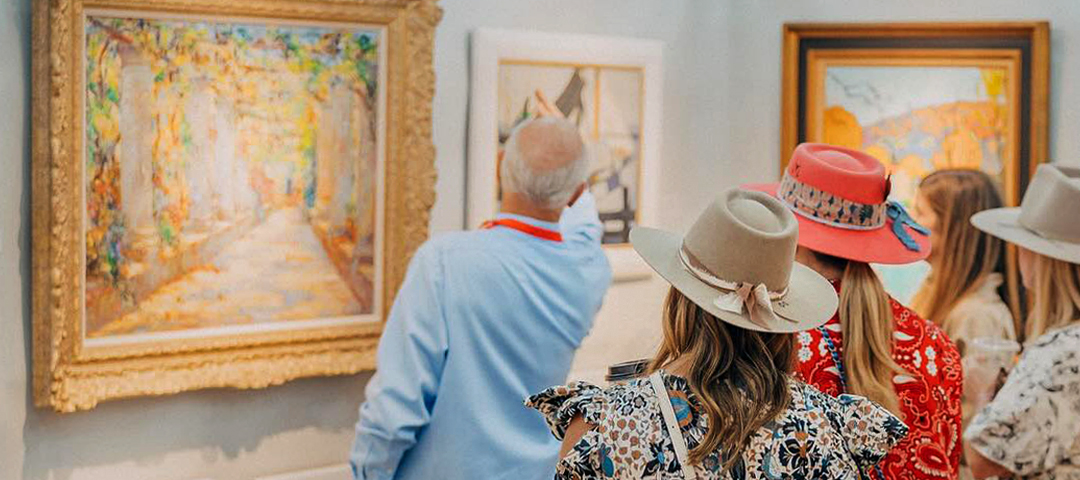
Round Top operates less like a single fair and more like a coordinated ecosystem, spreading across rural Texas several times each year. Over the course of each show, more than 11 miles of fields, barns, permanent venues, and pop-up shops fill with dealers from across the country, drawing more than 100,000 visitors who arrive to source inventory and reconnect with the trade.
Across Warrenton, Round Top, and the surrounding countryside, buyers move between open-air fields, tented markets, and converted barns where early American furniture, architectural salvage, vintage textiles, lighting, and decorative objects circulate quickly. Markets such as Zapp Hall, Excess Field, and The Halles capture the more traditional market atmosphere, where early buyers arrive with a plan and the most interesting pieces rarely stay on a table for long.
At the same time, Round Top also hosts some of the country’s most carefully curated shows, including The Original Round Top Antiques Fair, Marburger Farm Antiques Show, The Compound, and Blue Hills, which bring together highly vetted dealers and design-forward presentations.
Why it matters: unmatched scale and a rare mix of discovery markets and curated design shows
Best for: professionals seeking breadth, from early-morning market finds to carefully presented antiques and design pieces
IJ-Hallan Vintage Market — Amsterdam
When: Monthly | Location: Amsterdam, Netherlands
Often described as Europe’s largest flea market, the IJ-Hallan Vintage Market occupies a vast warehouse complex in Amsterdam North.
The scale is part of its appeal. Hundreds of vendors fill the space with an eclectic mix of vintage furniture, industrial objects, lighting, textiles, and twentieth-century design. The inventory ranges widely in quality and period, but for professionals willing to navigate the volume, the market regularly yields unexpected finds.
Designers visiting Amsterdam increasingly include IJ-Hallan in their sourcing itineraries, drawn by the possibility of uncovering overlooked material among the market’s enormous range.
Why it matters: scale and accessibility within the European vintage market
Best for: designers and collectors comfortable navigating large discovery markets
Design-Driven Regional Markets
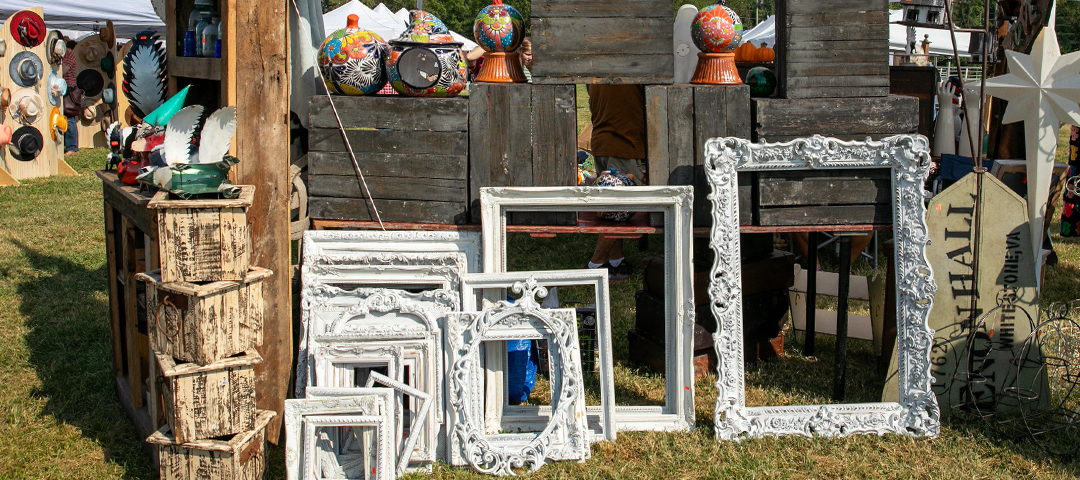
Other flea markets are shaped by the design communities around them. Designers, stylists, and dealers return regularly, and over time these markets begin to reflect the tastes and materials circulating through their local interiors scene.
Rose Bowl Flea Market — California
When: Monthly | Location: Pasadena, California
The Rose Bowl carries a distinct kind of influence within the design world.
Before sunrise, stylists, set designers, emerging dealers, and established buyers walk the same rows searching for pieces that feel current. Mid-century furniture, architectural salvage, vintage denim, lighting, and decorative objects circulate through the market before reappearing in shops and interiors across the West Coast.
For many professionals, The Rose Bowl is both a sourcing environment and a signal of where taste is heading.
Why it matters: consistent discovery and West Coast design relevance
Best for: designers, stylists, dealers, and collectors tracking emerging taste
Alameda Point Antiques Faire — California
When: Monthly | Location: Alameda, California
Set against sweeping views of the San Francisco skyline, the Alameda Point Antiques Faire operates with an unusually disciplined vendor base. The market requires that all items offered for sale be at least twenty years old, creating a focused vintage environment that designers trust.
Furniture, lighting, art, and decorative objects circulate among dealers who return month after month, allowing professional buyers to build relationships and monitor inventory over time.
Despite its open-air setting, buying here tends to be deliberate, with designers and dealers returning regularly to source pieces they know they can rely on.
Why it matters: focused vintage inventory with professional depth
Best for: designers sourcing layered interiors
Long Beach Antique Market — California
When: Monthly | Location: Long Beach, California
Often described as a designer’s secret, the Long Beach Antique Market has become a regular stop for West Coast buyers searching for twentieth-century design.
Mid-century furniture, lighting, ceramics, and decorative objects dominate the aisles, drawing designers and dealers who arrive early and move quickly through the rows. Experienced buyers know the rhythm well: the most compelling pieces rarely stay on a table for long.
For those working with modernist interiors, the market offers a steady flow of material that continues to circulate through Southern California’s design scene.
Why it matters: category strength in twentieth-century design
Best for: professionals sourcing modernist material
Brooklyn Flea — New York
When: Seasonal | Location: New York City, New York
The Brooklyn Flea reflects an evolving entry point into collecting.
Vintage fashion, accessories, lighting, smaller decorative objects, and ephemera circulate through a younger audience learning how flea markets function. Operating across multiple locations throughout the season, the market draws a steady mix of dealers, designers, and first-time collectors.
Inventory rotates quickly, and buyers return frequently, watching shifts in taste unfold in real time.
Why it matters: signals of generational change within the vintage market
Best for: emerging collectors and dealers observing shifts in demand
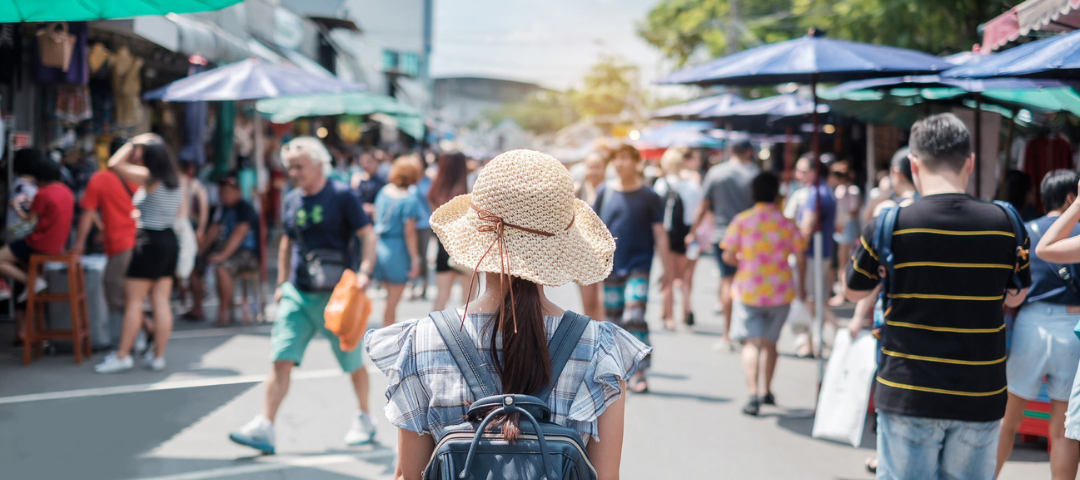
Where Flea Markets Fit Within the Antiques Trade
Flea markets occupy a distinct place within the antiques trade.
While fairs emphasize scholarship, vetting, and presentation, flea markets operate at a different pace. Objects circulate quickly, prices are negotiated across tables and between aisles, and discovery often depends on timing as much as knowledge.
For dealers, these markets remain essential places to source inventory and stay connected to the rhythms of the trade. For designers, they offer access to objects that may not yet have passed through galleries or curated fairs.
They also provide something equally valuable: a view into how the market is moving. Certain items begin to surface more frequently. Periods that felt quiet start to reappear. Objects that once lingered suddenly find new attention.
Seen alongside fairs, auctions, and galleries, flea markets form part of the broader landscape through which vintage and antiques continue to circulate.
If you are planning your buying calendar for the year ahead, you can explore our Guide to Trade Fairs and Shows, created in partnership with Antiques News & Fairs x The House Directory, for a comprehensive look at the events that structure the global antiques market.
Taken together, these environments offer a clearer view of where the trade is heading — and where the next important trends may appear.