

There are certain organizations within the art and antiques world that become part of the trade’s enduring foundation. Through decades spent cultivating expertise, protecting standards, and fostering trust across generations of dealers, collectors, and designers, they help shape the character of the market itself.
For 100 years, the Art and Antique Dealers League of America (AADLA) has occupied that role within the American market.
This May, the League marks its centennial with a landmark exhibition in New York City, bringing together member dealers across disciplines for a public exhibition held at Freeman’s Auctions from May 14 through 18, 2026. Timed to coincide with TEFAF New York at the Park Avenue Armory just blocks away, the exhibition arrives during one of the most closely watched weeks on the international art market calendar.
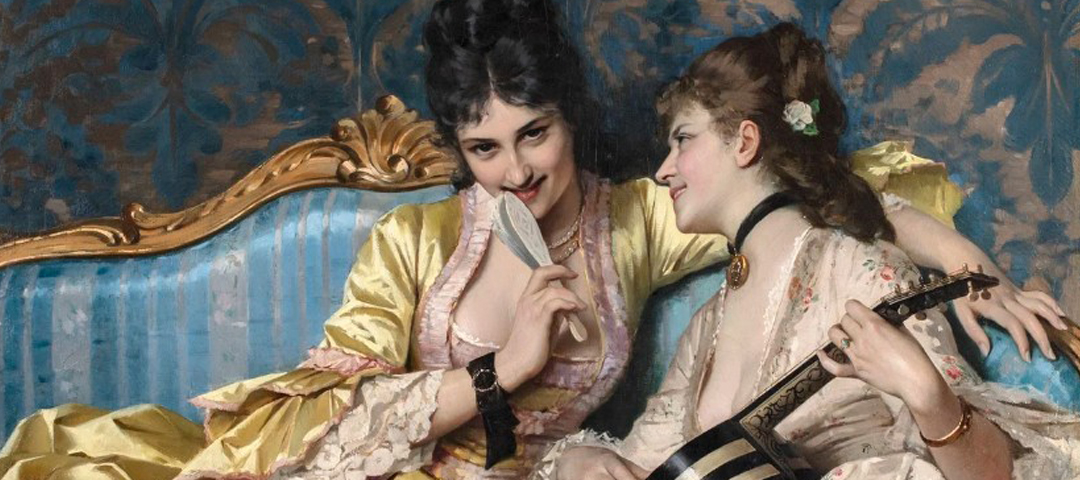
The Enduring Role of Expertise in the Trade
What makes this exhibition particularly compelling is not simply its timing. It is the opportunity to reflect on what institutions like the AADLA continue to represent within a rapidly changing market.
In an industry increasingly shaped by visibility, digital acceleration, and global access, organizations like the AADLA remind us that connoisseurship still matters. Scholarship still matters. Relationships still matter. And perhaps most importantly, expertise built slowly over decades still carries extraordinary value.
That feels especially resonant now.
The art and antiques trade has always relied upon human knowledge passed carefully from one generation to the next — dealers who spend lifetimes developing an eye, understanding provenance, recognizing craftsmanship, and preserving the histories attached to objects long before they arrive in front of a collector or designer.
Those forms of expertise cannot be automated. They are accumulated slowly through experience, curiosity, and stewardship.
For a century, the AADLA has helped uphold those standards within the American market. Founded in 1926, the League has long represented dealers working at the highest levels of the trade across categories ranging from Old Master paintings and works on paper to fine jewelry, furniture, silver, and decorative arts.
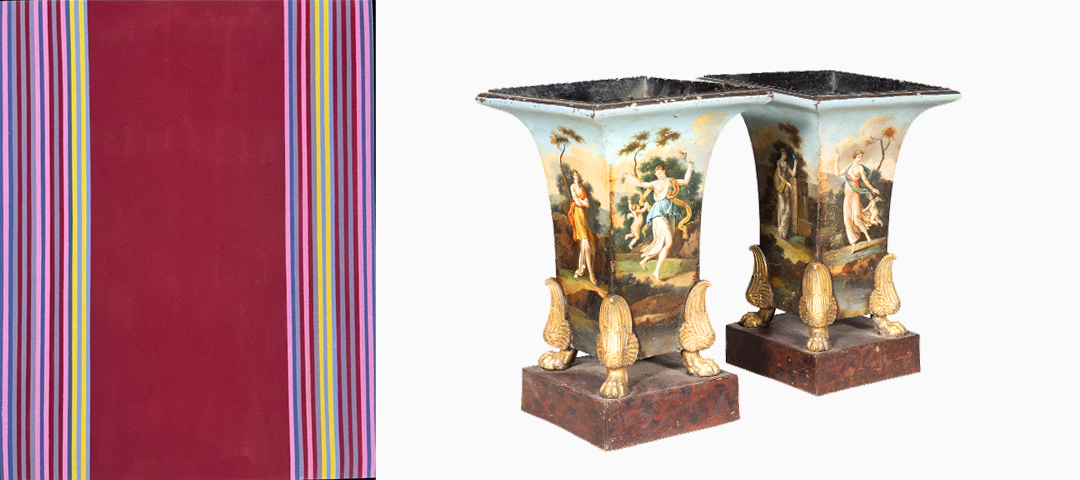
A Gathering of Expertise During One of the Art World’s Most Important Weeks
The centennial exhibition becomes, in many ways, a reflection of that collective knowledge base.
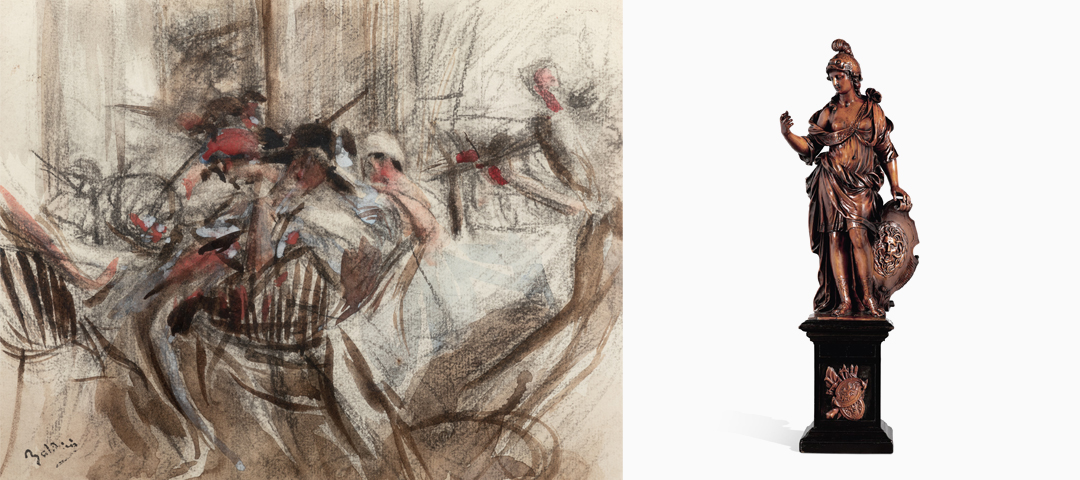
Rather than presenting a single curatorial perspective, the exhibition brings together exceptional objects selected by member dealers themselves — each piece carrying its own context, scholarship, and point of view. Visitors will encounter a range of specialties and periods represented under one roof, offering a broader portrait of the depth that still defines the upper tiers of the trade.
The setting itself feels appropriately symbolic.
Founded in 1805, Freeman’s Auctions brings its own longstanding history to the collaboration. Its Upper East Side galleries, positioned just steps from the Armory during TEFAF week, create a natural point of convergence between institutions, collectors, curators, designers, and dealers moving through the city during one of the art world’s busiest moments.
And while major fairs often command the headlines, exhibitions like this offer something slightly different — something quieter, more personal, and perhaps more reflective of how many meaningful relationships within the trade are actually formed.
Not simply through transactions, but through conversation.
Through time spent looking closely.
Through the exchange of knowledge between dealers and collectors, between designers and specialists, between people who value the stories, materials, and histories that give objects their lasting presence.
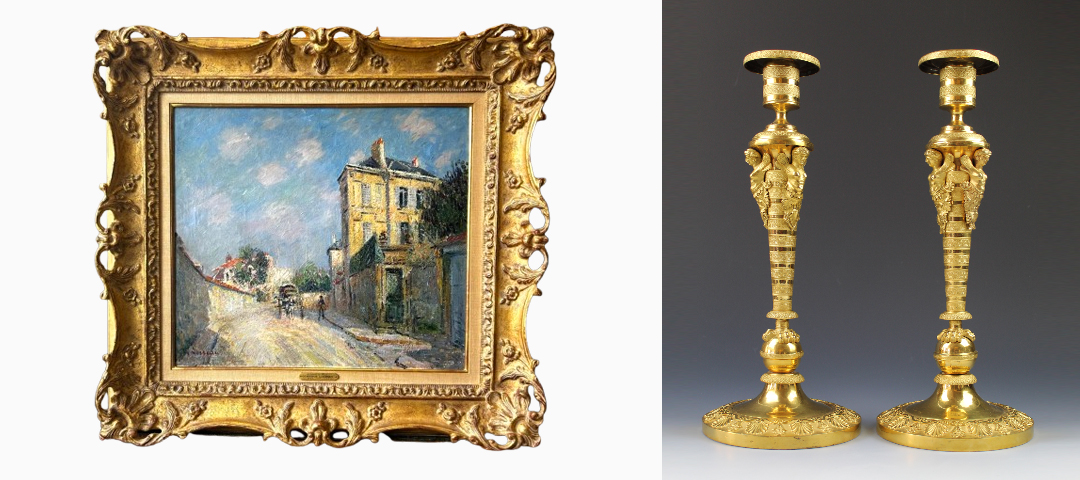
The Continued Return to Objects with History
For interior designers especially, the exhibition arrives at a moment when antiques and historical items continue to play an increasingly important role within contemporary interiors. Across the design world, there is renewed appreciation for spaces layered with age, individuality, craftsmanship, and material presence — qualities that cannot be replicated through mass production.
Collectors, too, continue seeking objects that offer more than decoration alone. Provenance, rarity, authorship, and condition remain essential, but so does emotional resonance. The most memorable pieces are often the ones that carry a sense of continuity — objects that connect past makers, previous owners, and future custodians in ways that feel tangible.
That enduring relationship between object and steward has always sat at the heart of the antiques world.
Celebrating 100 Years of Stewardship
And it is part of what the AADLA’s centennial ultimately celebrates.
Not nostalgia, but continuity. Not preservation for preservation’s sake, but the ongoing relevance of expertise, scholarship, and thoughtful collecting within contemporary culture. At a time when so much of the market moves quickly, there is something deeply reassuring about institutions that continue to value rigor, authenticity, and trust.
One hundred years in, the AADLA remains one of the clearest expressions of those ideals within the American trade.
The AADLA Centennial Exhibition will be open to the public May 14–18, 2026, at Freeman’s Auctions, located at 32 East 67th Street in New York City. Admission is complimentary. Ronati is proud to partner with the AADLA in celebrating this important milestone for the art and antiques community.
For full information, visit: https://aadla.com/events/
Ronati is proud to be a partner of AADLA