

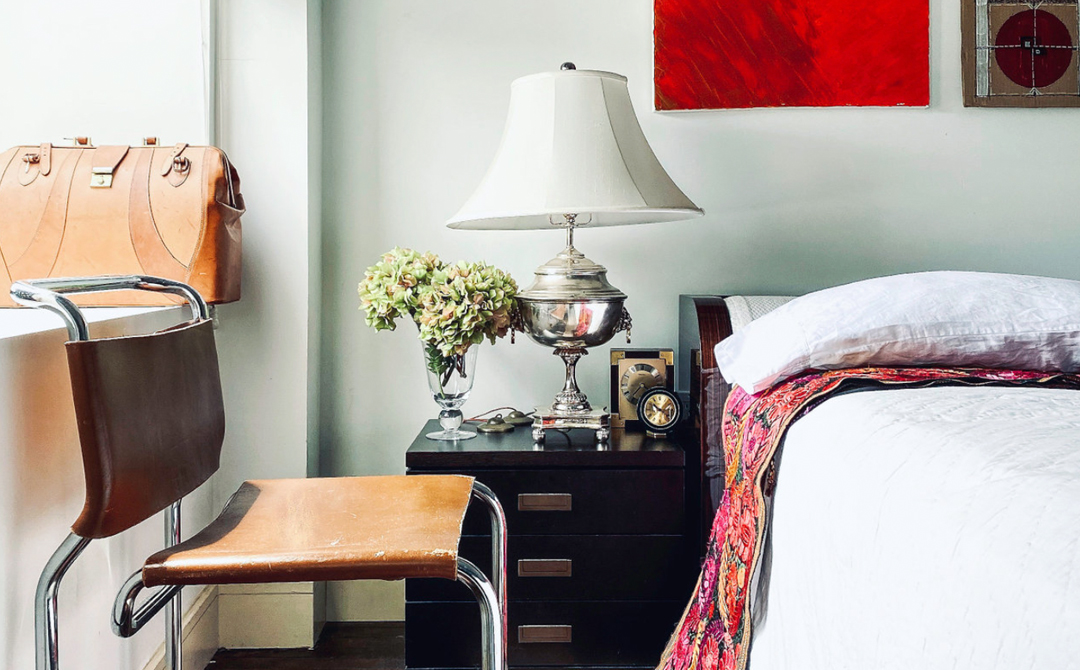
There is a growing resistance to sameness.
After years of algorithm-shaped aesthetics, fast production, and endlessly repeatable rooms, the design conversation is shifting. What once felt streamlined now often reads as generic. In response, designers, dealers, and a rising generation of buyers are turning toward something harder to replicate: objects with age, irregularity, provenance, and presence.
Not as accents, but as anchors.
Vintage and antique furnishings are no longer playing a supporting role in contemporary interiors. More often, they’re what give a room its tension, its point of view, and its staying power.
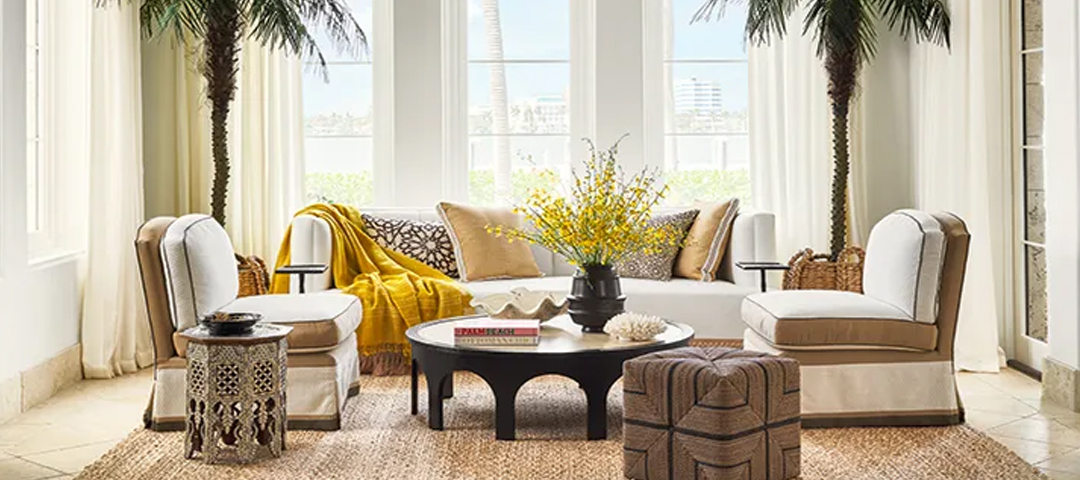
Interior Design by Martyn Lawrence Bullard
The Shift Toward One-of-a-Kind Pieces
The appetite for one-of-a-kind pieces is not just aesthetic. It’s reflected in how designers are sourcing today.
In 1stDibs’ 2025 Designer Trends Survey, 81% of designers said they planned to seek out vintage 20th-century pieces for clients, and 62% said they would shop for antiques. The same report also found that 62% expected to favor artisanal production over mass manufacture.
Additionally, it points to a swing toward maximalism and eclecticism — what it calls “an artful mash-up of furnishings both vintage and new.”
In a visually saturated market, distinction has become its own form of value.
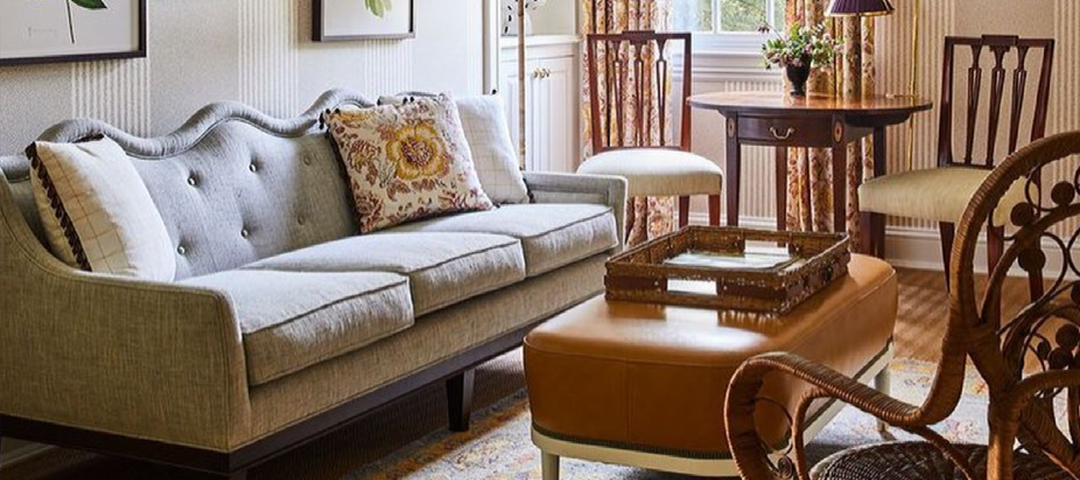
Mayflower Hotel | Interior Design by Celerie Kemble/Kemble Interiors | Photo by Nicole Franzen
A Designer’s Perspective
For many designers, this shift is less a revelation than a return.
The most compelling interiors are rarely assembled all at once. They take shape over time, through pieces that introduce contrast, memory, and a sense of accumulation. In her 2025 Architectural Digest story, Celerie Kemble put it plainly:
“I hate the expression ‘effortless style.’” She continues, “I have spent a lifetime becoming sensitive to what is evocative and worth rescuing.”
One-of-a-kind pieces tend to ask more of a room, but they also give more back. They carry visual tension. They interrupt predictability. They make a space feel considered rather than merely finished.
A similar sensibility appears in the growing conversation around slow decorating. Interior designer Jenni Kayne notes, “I am such a proponent of using a piece you already have … while you search for the ‘right’ piece.” Rooms with real depth are built with intention.
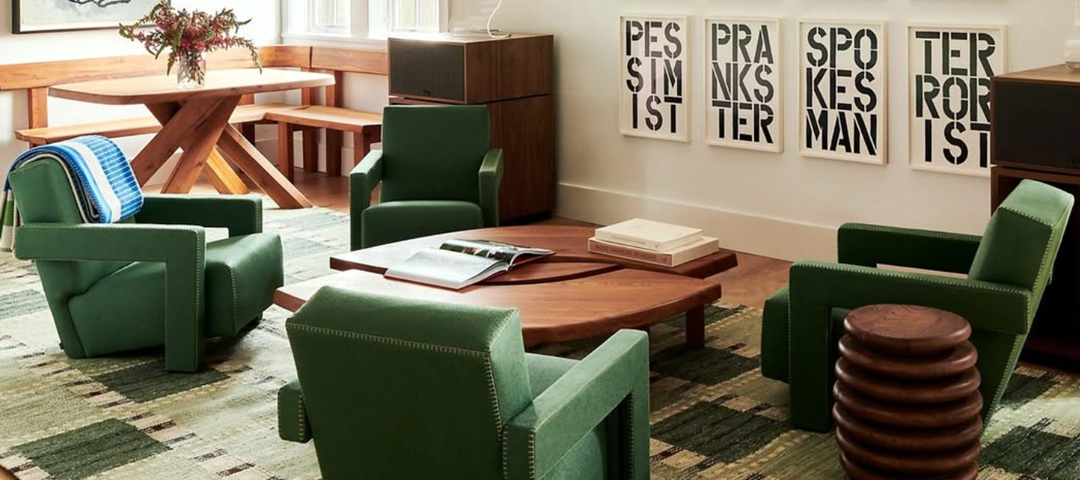
Interior Design by Joy Moyler/Joy Moyler Interiors
Where Character Comes Into Play
Antiques and vintage pieces continue to resonate because they offer qualities new production often cannot: material integrity, visible craftsmanship, and a sense of authorship.
They also have range. A room built entirely from one period or a single source can feel overly resolved. A room that pairs a contemporary sofa with a Regency side table, a midcentury lamp, or an 18th-century mirror tends to feel more alive … less fixed, more layered. It leaves room for character to emerge.
That’s part of why dealers remain so essential. They don’t simply supply objects. They recognize the difference between what’s decorative and what’s defining. They understand which forms still hold, which finishes matter, and which pieces can shift the entire tone of a room.
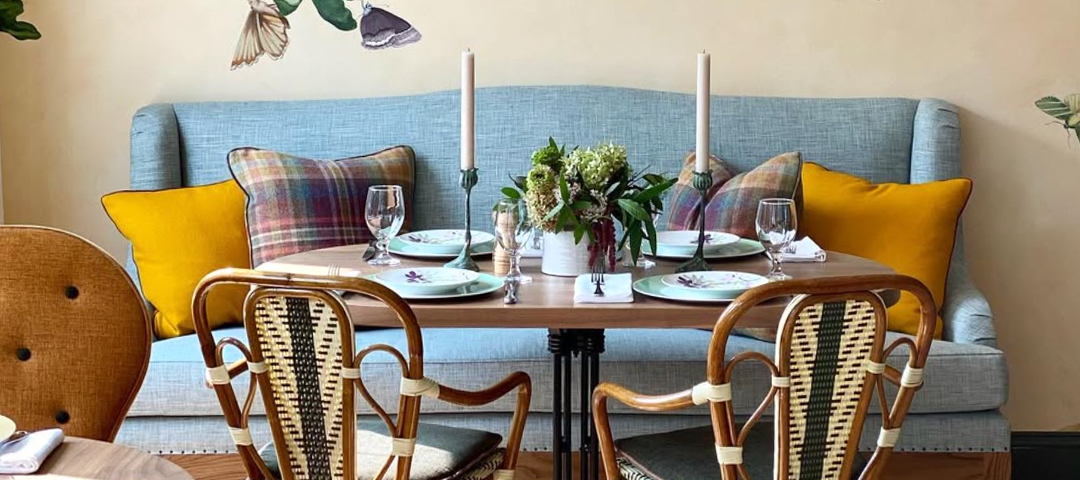
Mayflower Hotel | Interior Design by Celerie Kemble/Kemble Interiors | Photo by Nicole Franzen
A Case for Living With What Already Exists
The sustainability case for antiques isn’t new, but the wider market has become more fluent in it.
Deloitte’s Q1 2025 retail and consumer trends report points to the continued growth of resale, linking that growth in part to younger, more environmentally conscious buyers — a cohort that now accounts for 40% of US consumers, with environmental sustainability ranking as a top concern. A separate Deloitte sustainability analysis found that nearly half of respondents had purchased a sustainable good in the previous four weeks.
Antiques sit naturally within that shift. They extend the life of existing materials, avoid new manufacturing, and reward longevity rather than replacement. But their appeal isn’t merely practical — it’s aesthetic. Increasingly, the sustainable choice is also the more interesting one.
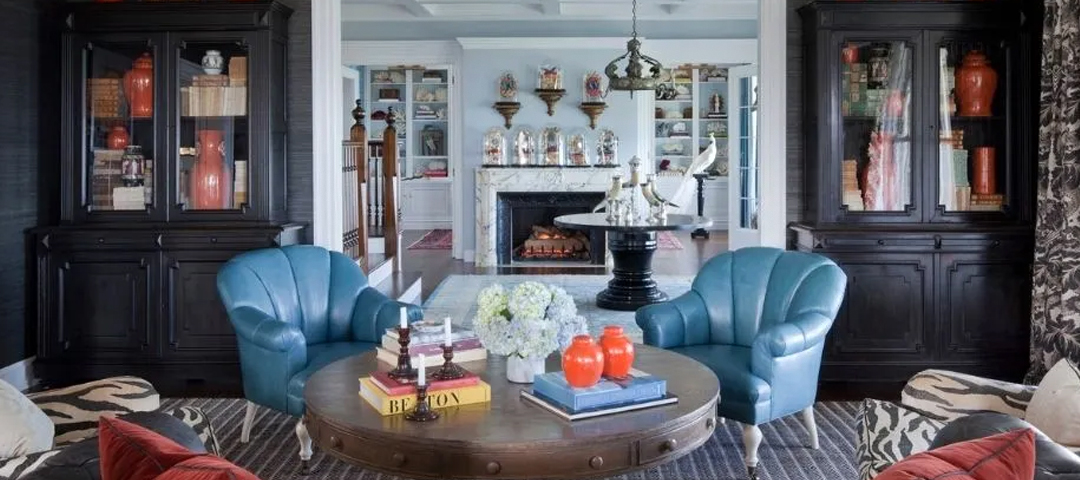
Interior Design by Martyn Lawrence Bullard
What’s Resonating Now
The current appetite is not for old pieces in the abstract. It’s for pieces that hold their own.
In VERANDA’s 2025 roundup of antiques worth collecting, Martyn Lawrence Bullard points to “good Georgian and Regency furniture,” noting that these pieces “have such beauty.” In the same feature, Joy Moyler describes ornate, well-detailed antiques as adding “a bit of tension in the room” and being “truly jewel-like.”
These may reflect different tastes, but they point to the same idea: one-of-a-kind pieces do more than fill space. They sharpen it.
They also widen the audience. For seasoned collectors, antiques may represent scholarship, rarity, or long-term value. For newer buyers, they often represent self-definition. Either way, vintage and antiques offer a way into interiors that feels more personal than buying a matching set ever could.
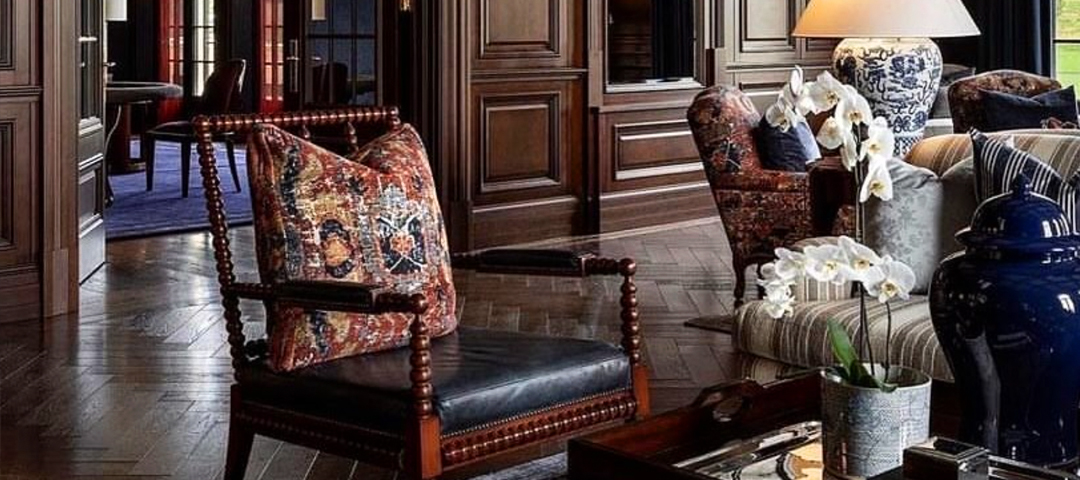
Interior Design by Joy Moyler/Joy Moyler Interiors
Where Dealers Come In
For dealers, this moment carries both opportunity and expectation.
Demand for one-of-a-kind objects is broadening. Designers are sourcing across periods. Younger buyers are more comfortable with resale. The language of collecting has become more familiar, and discovery is happening in more places than ever before.
The expectation is just as important. As interest grows, presentation matters more. Buyers want confidence, but they also want narrative. They want to understand not only what a piece is, but why it matters and how it might live in their space.
That’s where strong dealers continue to distinguish themselves — not simply by having inventory, but by having perspective and making that inventory visible when the right buyer is looking.
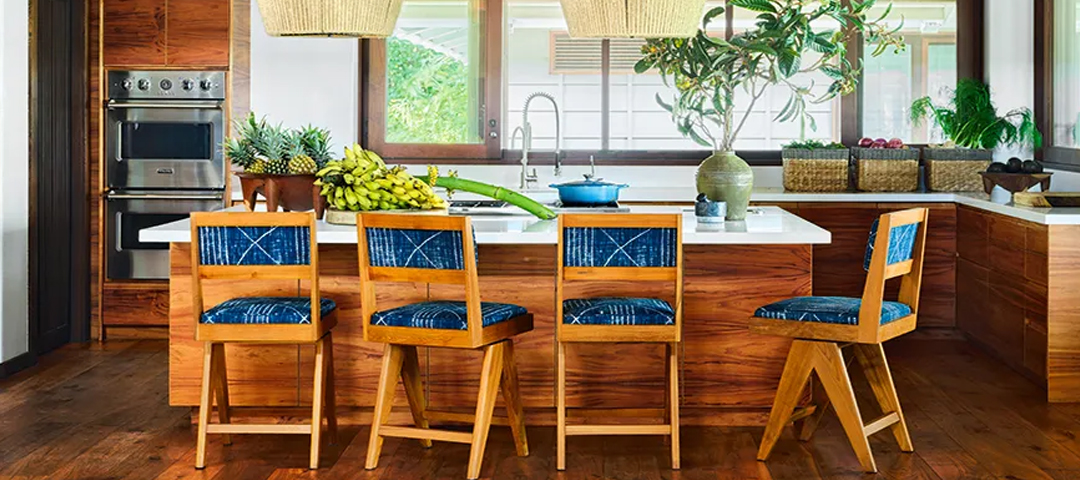
Interior Design by Martyn Lawrence Bullard
Looking to the Future
What’s emerging isn’t a fleeting preference for “character.” It’s a deeper recalibration around how interiors are built and what people want them to say.
Rooms are becoming less about finishing and more about how they come together over time — shaped by what’s chosen, what’s kept, and what’s added with intention.
That shift favors the unique.
And for dealers, designers, and collectors working in the vintage and antiques market, that is not just encouraging — it is defining.