

The greenest product is the one that already exists.
That simple truth captures the natural harmony between antiques and sustainability. In an age of conscious consumerism, antiques have emerged as both beautiful objects and powerful models of the circular economy.
Today’s buyers — especially millennials and Gen Z — are choosing reuse over new. A 19th-century armoire or mid-century light fixture now represents more than a style statement; it’s an environmentally responsible choice. Here’s how the antiques trade is helping shape a more sustainable future.
Antiques: The Original Recycling
Every antique is, by definition, recycled. Choosing furniture, art, or decorative objects crafted decades, or centuries, ago extends their life and avoids the environmental cost of new production.
In 2018, Americans discarded more than 12 million tons of furniture, according to the US Environmental Protection Agency. Each time a buyer opts for an antique instead of something disposable, that waste shrinks. As Tatler Asia puts it, “Antiques represent the pinnacle of sustainable decor by eliminating the considerable environmental impact tied to manufacturing brand-new items.”
These objects were made to endure. A solid oak Victorian dresser that has lasted 120 years could easily last another 120, while countless fast-furniture pieces would have come and gone.
The Recommerce Boom
Sustainability and shifting consumer values are continuing to drive the rise of “recommerce.” According to a November 2025 market report, the North-American second-hand furniture market is expected to grow from roughly $13.8 billion in 2024 to $25.6 billion by 2033. Globally, the second-hand furniture market is now estimated to be about $47.2 billion and is forecast to approach $60.7 billion by 2030. Even platforms like Chairish — a longstanding leader in vintage and pre-owned home furnishings — are projecting resumed growth this year, suggesting continued momentum in demand for curated, sustainable furniture.
This shift isn’t purely economic. More consumers are embracing second-hand furniture for its sustainability, unique character, and quality craftsmanship, making vintage not just a budget-friendly option, but a conscious, long-term investment.
During the pandemic, when supply-chain delays slowed new furniture production, many buyers turned to vintage, and stayed. Other resale platforms saw triple-digit growth, while media outlets named the shift grandmillennial style, highlighting younger buyers’ embrace of heritage pieces and rejection of disposable décor.
And as designer Brigette Romanek noted in Vogue’s 2025 Interior Design Trends report, people increasingly want homes “to feel alive and personal, with pieces that have history, character, and personality.” Vintage and antique furnishings fit that desire naturally, offering sustainability and soul in equal measure.
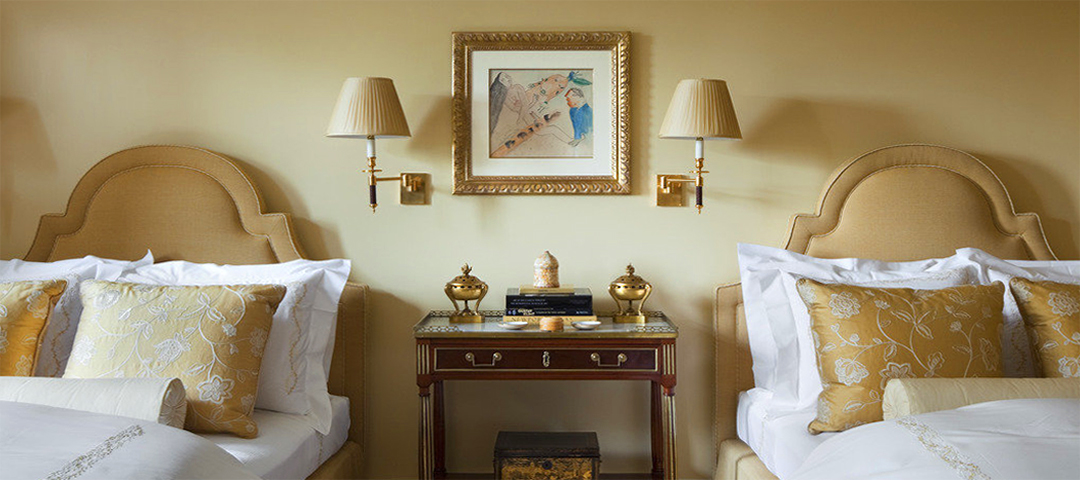
Interior Design by Alexa Hampton / Mark Hampton Interiors.
Industry Voices on Going Green
Designers have long championed the mindful mix of old and new. Alexa Hampton says antiques keep interiors from feeling “soulless,” while Suzanne Tucker celebrates the power of the mix, noting that she “wholeheartedly believe[s] in the beauty of the mix — contemporary with vintage, sleek modernity alongside timeworn charm.” For both designers, antiques offer something modern pieces alone cannot: a richness of character that elevates the entire room.
Even The Washington Post recently highlighted the resurgence of vintage and second-hand shopping — noting that buying pre-owned furniture “keeps items out of landfills,” offers better construction quality, and helps buyers sidestep the inflation and tariff-driven price hikes affecting new goods. Sustainability and good taste, once a niche appeal, have become mainstream.
Organizations across the trade are reinforcing that message. Antiques Are Green puts the impact into perspective by calculating the carbon savings of buying a 50-year-old sideboard versus manufacturing a new one, while LAPADA describes antiques as “a sustainable option that reduces demand for new resources.” Research from the UK further underscores the point, finding that antiques can carry a carbon footprint up to 16 times lower than newly produced furniture.
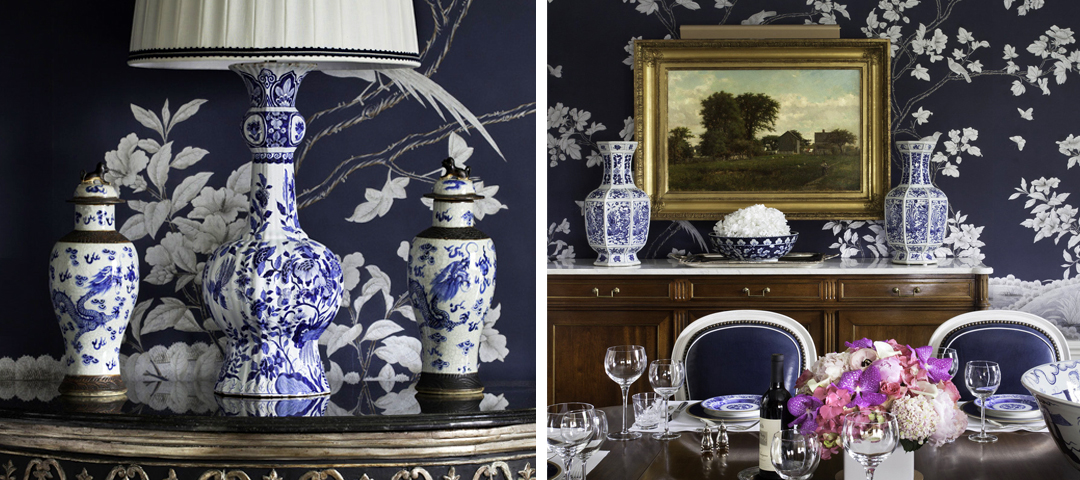
Interior Design by Alexa Hampton / Mark Hampton Interiors.
How Dealers Can Share the Story
Emphasize longevity. A Georgian table that’s survived 200 years speaks for itself. As designer Fern Santini has shown in her 2025 renovation work, blending vintage furniture and heirloom art with modern design helps infuse a home with memory and personality, creating spaces that feel deeply lived-in and unique.
Tell the story of materials. If a piece uses protected or rare timber, highlight that buying vintage prevents new deforestation.
Promote restoration. Sourcing locally and using traditional repairs supports artisans and keeps carbon footprints low.
By embracing sustainability, dealers connect with eco-minded clients and designers pursuing LEED or other green-building standards — making antiques the natural centerpiece of an ethical, elegant design story.
The Bigger Picture
Buying antiques does more than reduce waste; it safeguards culture. Each purchase preserves craftsmanship and artistry from eras past — a quiet stand against today’s disposable culture.
CINOA underscores the vital role dealers play in protecting cultural heritage — advocating for ethical trade, preservation, and the transmission of knowledge so that art and antiques continue to inspire future generations.
Sustainability and heritage share a single purpose: valuing what endures.
Where Sustainability Meets Soul
The antiques trade isn’t following a trend — it’s offering a solution.
Buying antiques is the ultimate form of recycling. Less waste. Less manufacturing. More meaning.
When a customer admires a piece in your gallery, remind them: it’s not just beautiful. It’s a conscious choice for a more sustainable world. And in a marketplace where buyers vote with their wallets, antiques are perfectly positioned to shine.